
September 2026 Newsletter

Real Youth. Real Progress. Real Impact. Powered by Supporters Like You.

From a Back-to-School Wishlist drive that reached over 50 youth, to a summer camp built for every child, to new training that's helping our clinicians reach kids in new ways, here’s what’s been happening across our programs and community this quarter, and the difference your support is making.

This client helped pick out his backpack, which will help him feel more confident to learn during the school year. He also received a set of new markers, which he uses to color mandalas for relaxation and stress relief.
Meta Bodewes, LCSW, Psychotherapist with her clients' (pictured left) new backpack and set of markers.

One Less Thing to Worry About: Back-to-School Wishlist Success

Each fall, families across Northern California go through the same back-to-school routine: fresh notebooks, new shoes, the small traditions that come with the start of another year. However, for many of the youth OTTP-NorCal serves, that routine carries an added weight, shaped by the everyday realities many families are navigating.

Many of the youth we serve are facing challenges outside of their control, including financial hardship. Having one less thing to worry about, like a new backpack or a pair of shoes that fit, helps them begin the year feeling confident and ready to succeed, rather than starting already behind.

This year, our community stepped in to help ease that weight.

Through OTTP-NorCal's Back-to-School Wishlist drive, generous donors adopted individual wishlists for youth in our programs, providing backpacks, clothing, school supplies, sensory tools, and technology tailored to each young person's specific needs. Thanks to that generosity, more than 50 youth across our programs started this school year with new items in hand.

Our own staff see that impact up close, every day.

"Through my work with clients, I have seen how having access to basic school supplies can increase their motivation and confidence to return to school and continue working toward their goals. A lack of resources can create barriers that prevent individuals from reaching their full potential. These generous donations help remove some of those barriers and provide students with the tools they need to feel prepared, supported, and empowered to succeed."

— Esme Ramirez, Student Services Case Manager

For one young person, a donor-funded laptop is already making a difference. Occupational Therapist Josh Montano reflected on his client receiving a computer that will make schoolwork, communication, and access to academic resources more accessible.

"Prior to receiving the computer, limited access to technology created challenges with completing school assignments and accessing important academic resources. Having his own computer has helped reduce this barrier, allowing him to complete schoolwork more consistently, stay organized, and remain engaged in his education. Overall, the computer has supported greater independence, academic participation, and confidence in working toward his goals."

— Josh Montano, Occupational Therapist

For other families, the impact reaches beyond the youth themselves.

"Groceries are so expensive right now, and I feel like everything I have goes to buy food. The backpack and markers are really appreciated because money is so tight."

— Client's Mother

To every donor who adopted a wishlist this year: thank you. What might look like a simple backpack or a new pair of shoes is, for the young person receiving it, one less obstacle standing between them and a strong start to their year.

Events
Coming Soon

Holiday Gift Drive

Mark your calendars! Our annual Holiday Gift Drive launches November 2. Sign up to get notified when it opens, or donate today to help make this our biggest year yet.

Sign Up or Donate →
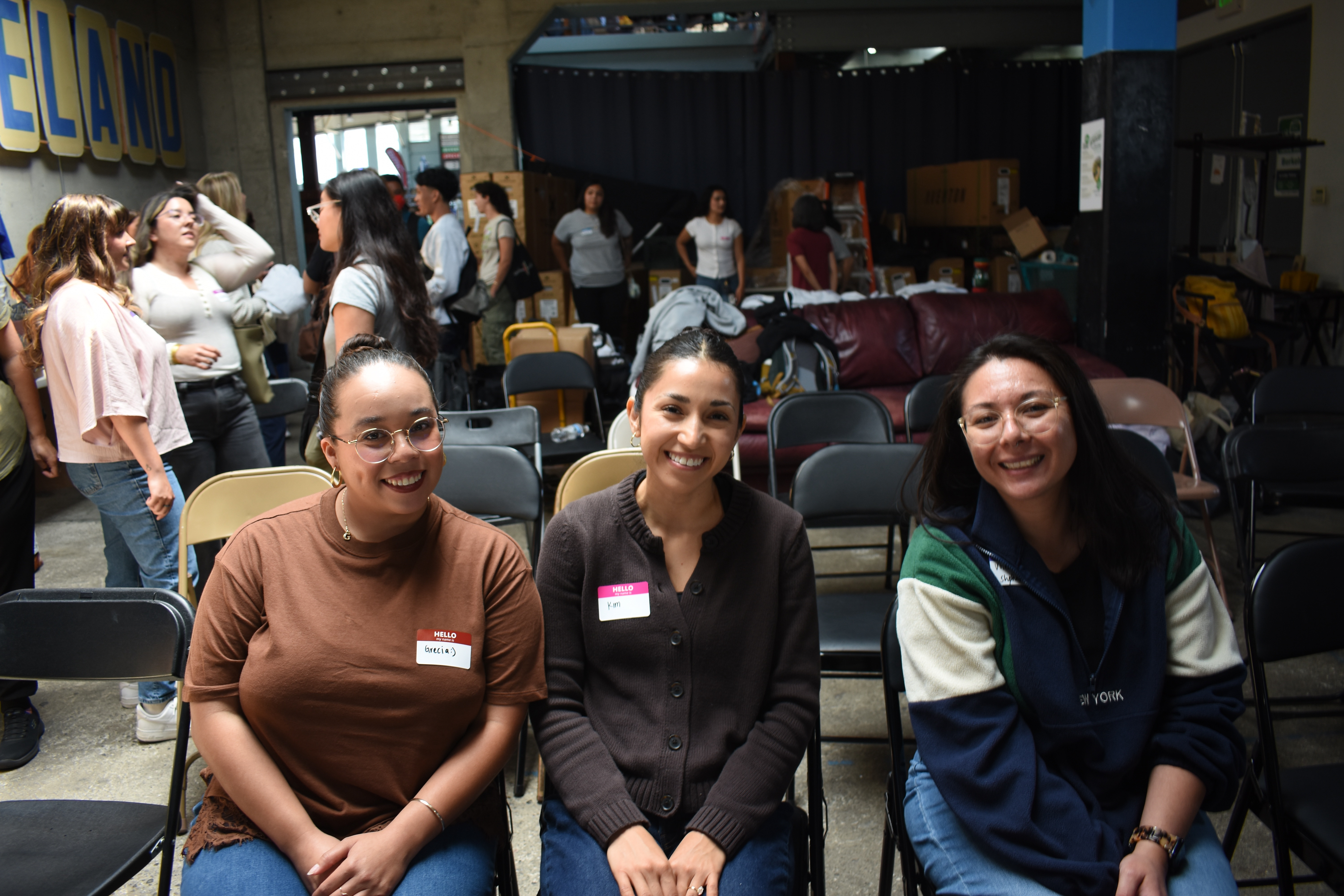
L to R: Grecia Chong Cuy, OTR/L - Occupational Therapist, Kimberly Ayala, OTR/L - Vocational Specialist & Occupational Therapist, Vhernna Fernandez, OT/L - Vocational Specialist

OTTP-NorCal Brings Teams Together From Three Regions for Annual All-Staff Meeting

OTTP-NorCal's annual All-Staff Meeting brought together team members from San Francisco, Oakland, and Sacramento at Sports Basement in Berkeley for a day of reflection, connection, and planning for the year ahead.

Colleen Devine, Division Director, opened the meeting by sharing highlights from the past year. Staff also welcomed new team members and explored opportunities for occupational therapy and psychotherapy to work more closely across programs, strengthening collaboration and supporting the highest quality of care for our clients.

Colleen Devine presented on the remarkable growth of our organization, which has increased from $100,000 in revenue in 1999 to $12 million today. This journey represents more than financial growth; it reflects decades of expanding our reach, strengthening our impact, and serving more marginalized youth in our community.

Chi-Kwan Shea, PhD, a member of OTTP-NorCal's Advisory Board, presented a research project opportunity available to staff, giving team members the opportunity to contribute to ongoing research in the field and explore ways research can inform and benefit their work with clients.

The meeting reflected OTTP-NorCal's continued commitment to bringing its regional teams together. While our staff serve communities across Northern California, gatherings like this remind us that we are one connected team, united by a shared mission and commitment to the youth and families we serve.

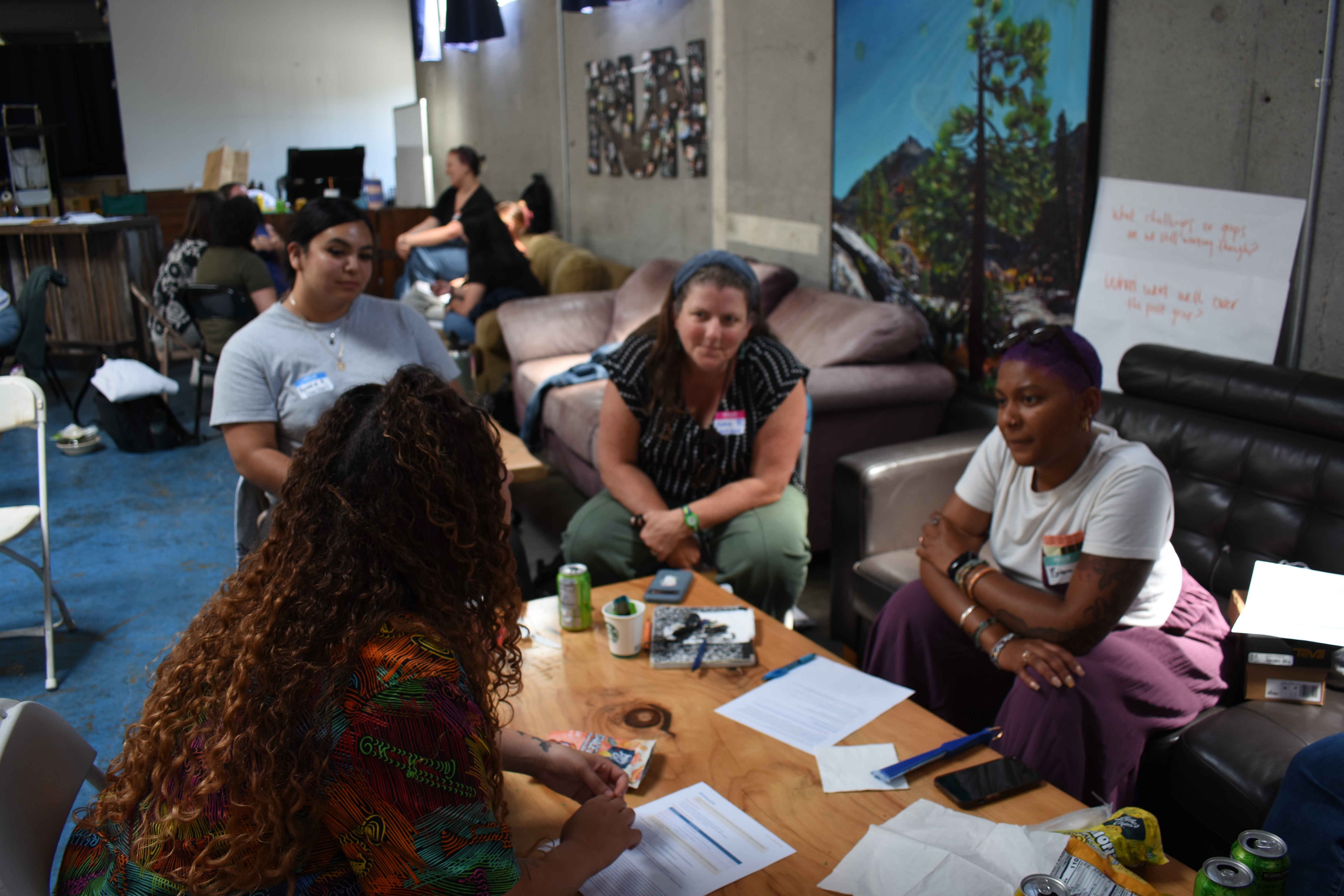
L to R: Naomi Childs, ACSW - Psychotherapist, Pamela Avalos - OT Intern, Katie Gordon, OTR/L - East Bay Services Director, Brierre Johnson, OTR/L - Occupational Therapist

How Your Support Changed the Course of One Youth's Journey

Because of your support, an OTTP-NorCal client was able to stay on track in his education and take meaningful steps toward a brighter, more stable future.

This young person has always been drawn to art and creative work. Over time, he began to recognize how his natural strengths in math and hands-on design could translate into a career. That realization led him to pursue welding as a trade, a path that felt both purposeful and achievable.

Thanks to funding from Sutter Health, young people in Sacramento County can access support from an OTTP-NorCal therapist without needing a diagnosis or health insurance. This flexible model makes it possible for young people to seek support when they recognize they need it, rather than waiting for someone else to make a referral.

That flexibility mattered for this young person. In late summer 2025, while nearing the completion of his welding program, he reached out to OTTP-NorCal on his own to seek occupational therapy services.

At the time, significant financial barriers were putting his final two classes at risk. With donor-funded support and individualized OT services, that goal became possible. Critical tuition costs were covered, and access to transportation and basic needs was ensured during a period of real uncertainty.

For the first time, he felt ready to seek support for broader life goals, moving beyond simply getting through the next challenge and toward building a future he could envision for himself.

Knowing that his community had invested in him made a lasting impression. Feeling seen and cared for strengthened his motivation, confidence, and sense of belonging.

Today, he continues to make progress toward independence and financial stability while working to strengthen his mental health and support network. His occupational therapist has observed, and he has confirmed, improvements in mood, a greater ability to identify and communicate his own goals, and steady growth across multiple areas of development.

Want to help remove the barriers that can stand between a young person and their goals? Learn more about the Youth Pathways Scholarship Fund and how your support can help young people access opportunities that build skills, confidence, and independence.

Learn More → Donate to the Fund →
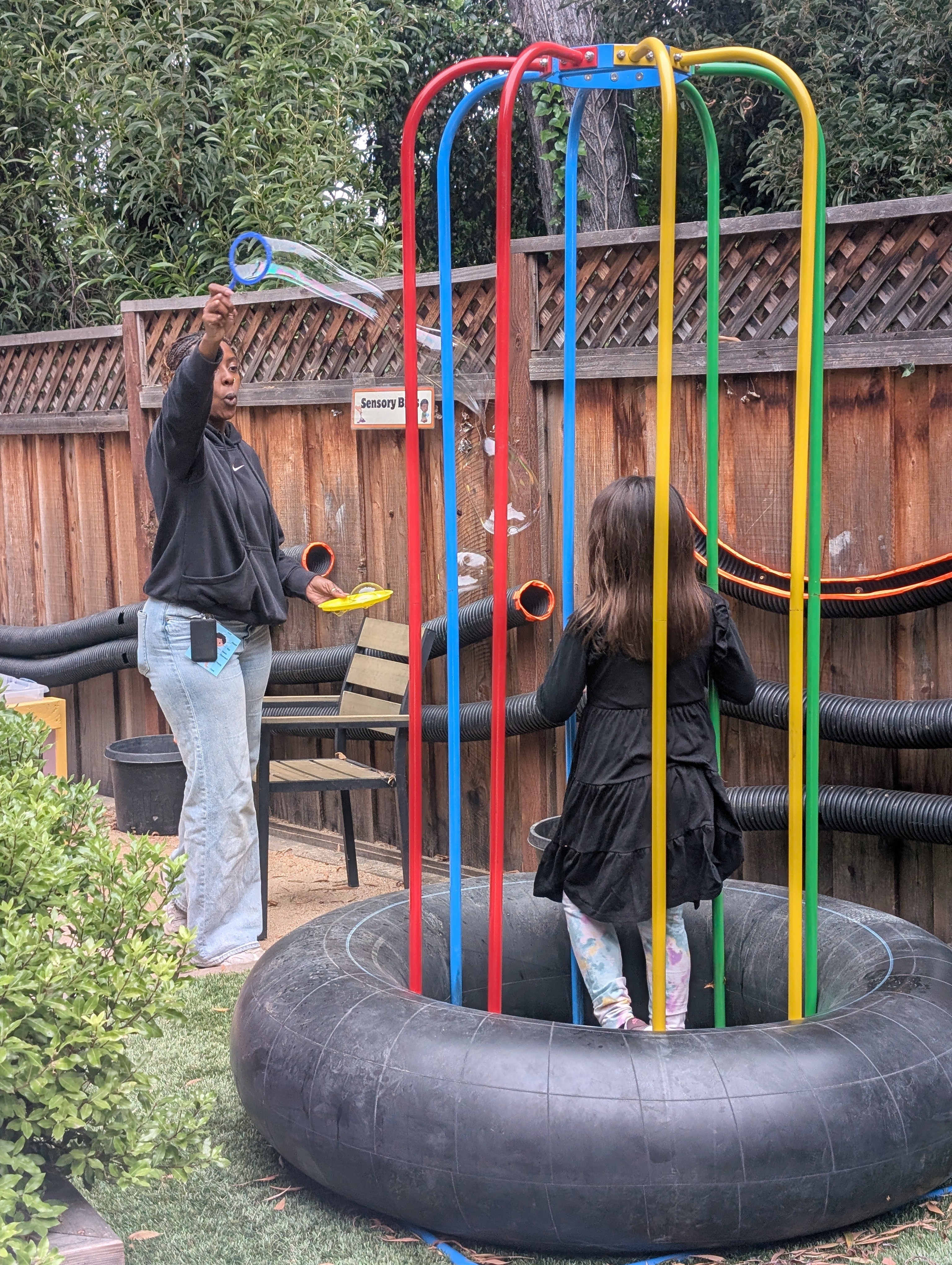
Nasjah McKay, OTR/L, Occupational Therapist, plays bubbles with a youth client, a sensory activity that supports visual tracking, calming regulation, and social connection through simple, shared play.
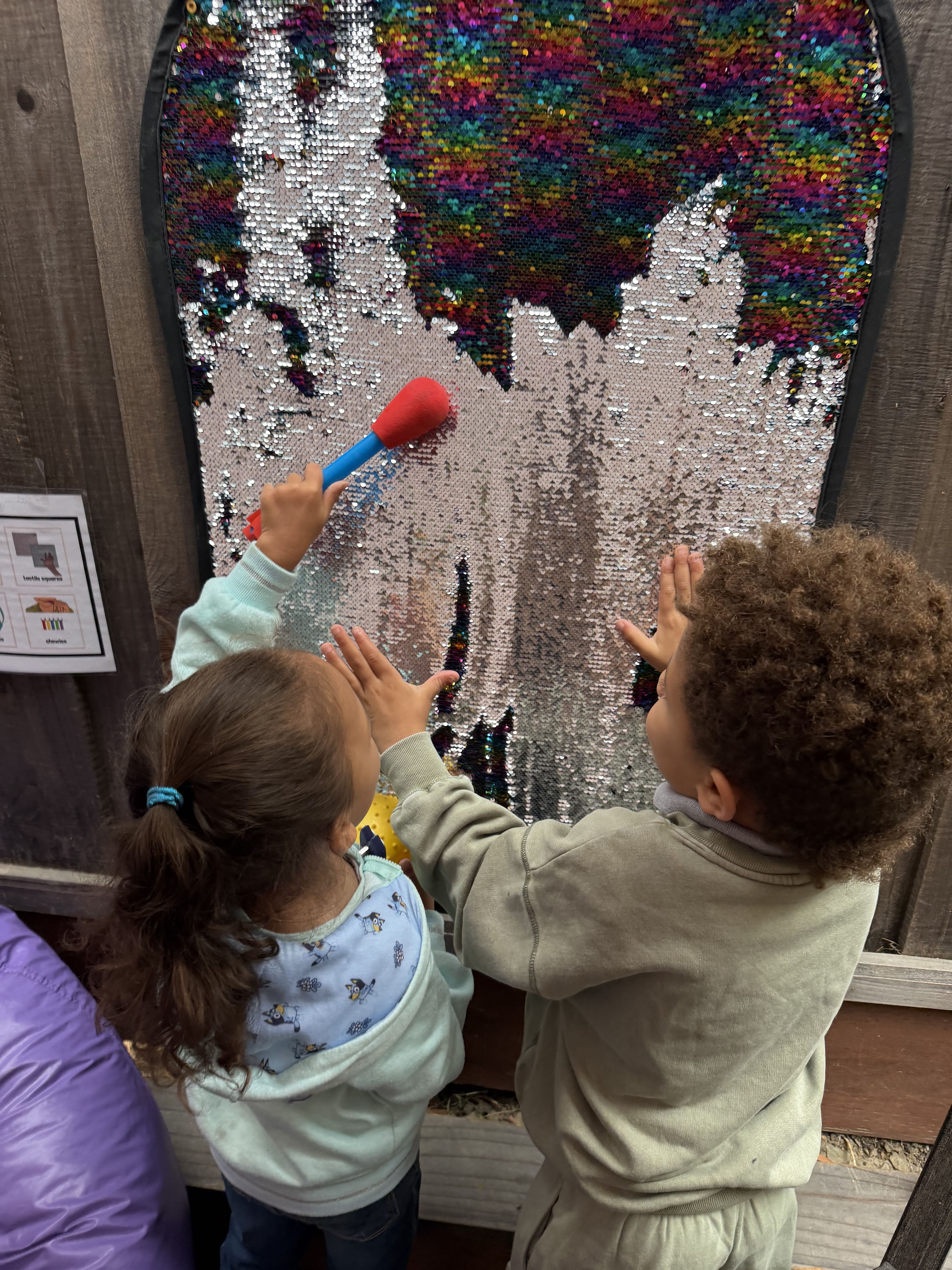
A sensory sequin wall gives youth a calming, hands-on way to regulate, create, and connect.

When Summer Camps Aren't Built for Every Child, We Built One That Was

"Many of the behaviors of children with sensory processing challenges are often interpreted as willful misbehavior." — Blanc, 2026

But what if what looks like "misbehavior" is actually a child communicating that something in their environment isn't working for them? From "this kid is being difficult" to "this kid is communicating something their nervous system needs." That shift in perspective is exactly what shaped OTTP's summer camp.

This summer, OTTP-NorCal took that question into a camp setting, creating an environment built around how each camper experiences the world, offering the support and flexibility to help them play, participate, and build skills on their own terms.

The camp served pre-K and transitional kindergarten students, ages 3 to 5, from Oakland Unified School District who were receiving services from either OTTP-NorCal or Lincoln Families, a non-profit in Oakland. Campers came to the program through a range of pathways, including developmental or behavioral support, sensory processing needs, or a need for additional support participating in a general or special education classroom. These are the same kinds of needs that traditional camp staffing and environments are not always equipped to fully support.

Held onsite at OTTP-NorCal's Oakland office, and funded by the Oakland Unified School District and Oakland Fund for Children & Youth, the camp was facilitated by occupational therapists specializing in early childhood mental health and sensory processing, with additional support from Early Childhood Mental Health Consultants through Lincoln Families' NEST (Nurture, Educate, Support, Thrive) program.

The goals were straightforward, but ambitious: support each camper's participation, self-regulation, social connection, and joy through a child-led, sensory-rich experience built around autonomy and relational safety. The goal was not simply to adapt a typical camp for these campers, but to create a genuine summer camp experience that included the kids who are so often left out of one.

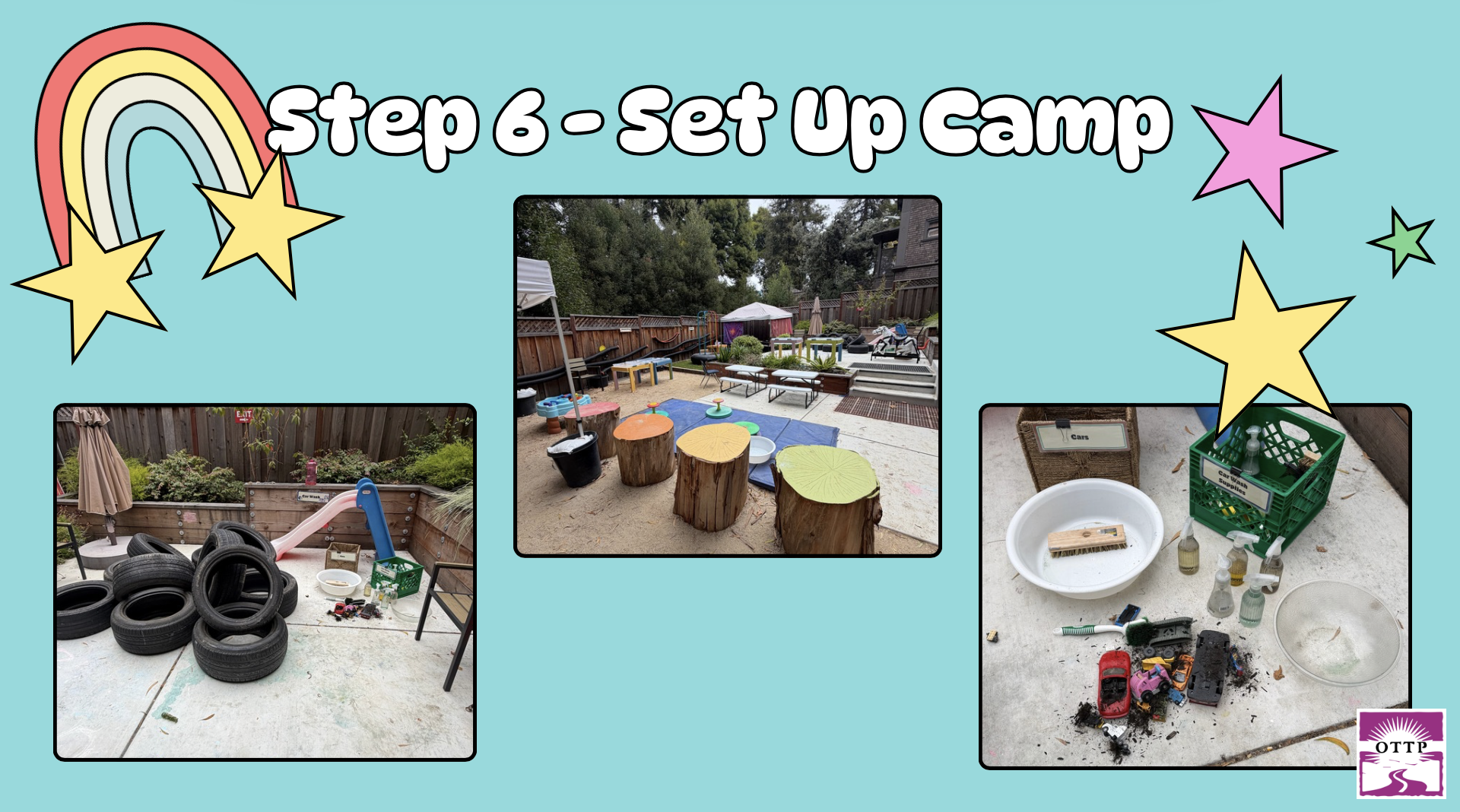
To make that possible, the camp maintained an unusually high staff-to-child ratio, allowing staff to respond to each camper in the moment, scaffold social interactions, and support emotional awareness as it developed. The physical environment was intentionally rich and varied, offering opportunities for big and small motor play, art and messy play, safe rough play, healthy risk-taking, quiet activities, and music. With so many ways to engage their bodies and senses, campers could explore, solve problems, and participate on their own terms.

Aside from one circle time and one snack time each day, both intentionally included to strengthen interoception, or a child's awareness of internal bodily signals, the camp was entirely child-directed.

That structure made room for real, visible growth.

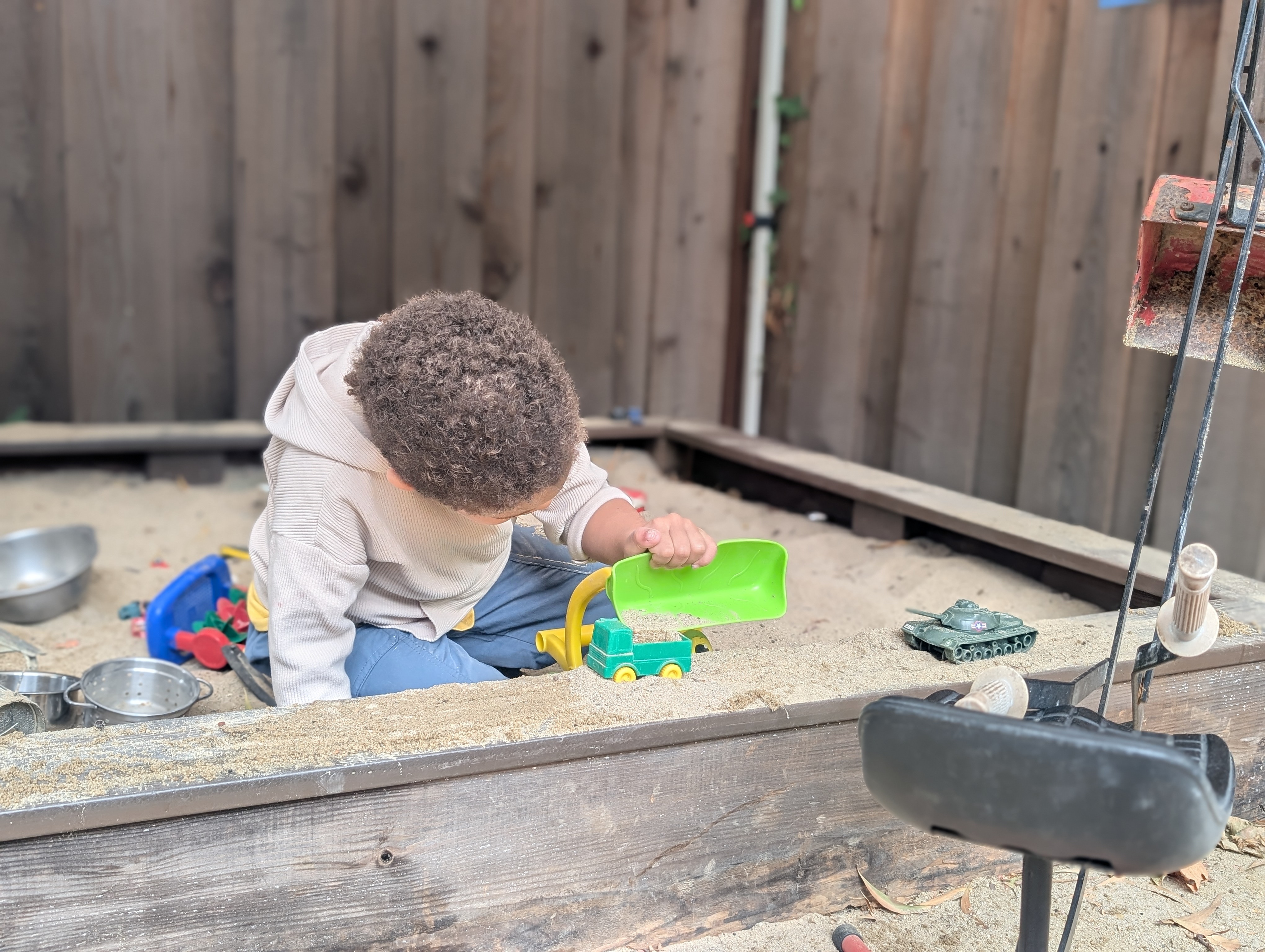
This youth plays in the sand, a sensory activity that supports tactile exploration, fine motor development, and calming, self-regulating play.

Staff watched one camper speak in full sentences for the first time, using words to advocate for their needs and ask questions. Another camper sought out peers for the first time, choosing to play alongside friends rather than alone. Campers formed genuine, affirming relationships with one another, helped each other during activities, and invited peers into their play. One camper participated in circle time for the first time. And when campers were able to reach a state of true regulation, staff discovered an unexpected source of joy: music and singing.

These moments revealed something important about each camper's strengths, capacities, and potential. They are the kinds of things that can emerge when a child has the freedom to be authentically themselves and the opportunity to simply be a kid at camp.

Communication, friendship, self-regulation, and participation in routines that mirrored the classroom, such as circle time, also gave OTTP-NorCal's therapists valuable insight into what campers need to thrive beyond camp. The skills and behaviors observed during play provided a window into how each camper might be better supported at school and at home.

Caregivers noticed the difference too.

"[My child] had a wonderful time! I appreciate the support and care the staff gave to him... Thank you for giving him this experience."

"Thank you so much for everything... All the teachers are so kind and good people! And the professionals treat the children with so much love and respect that when I drop off my daughter to go to work, I feel very at ease."

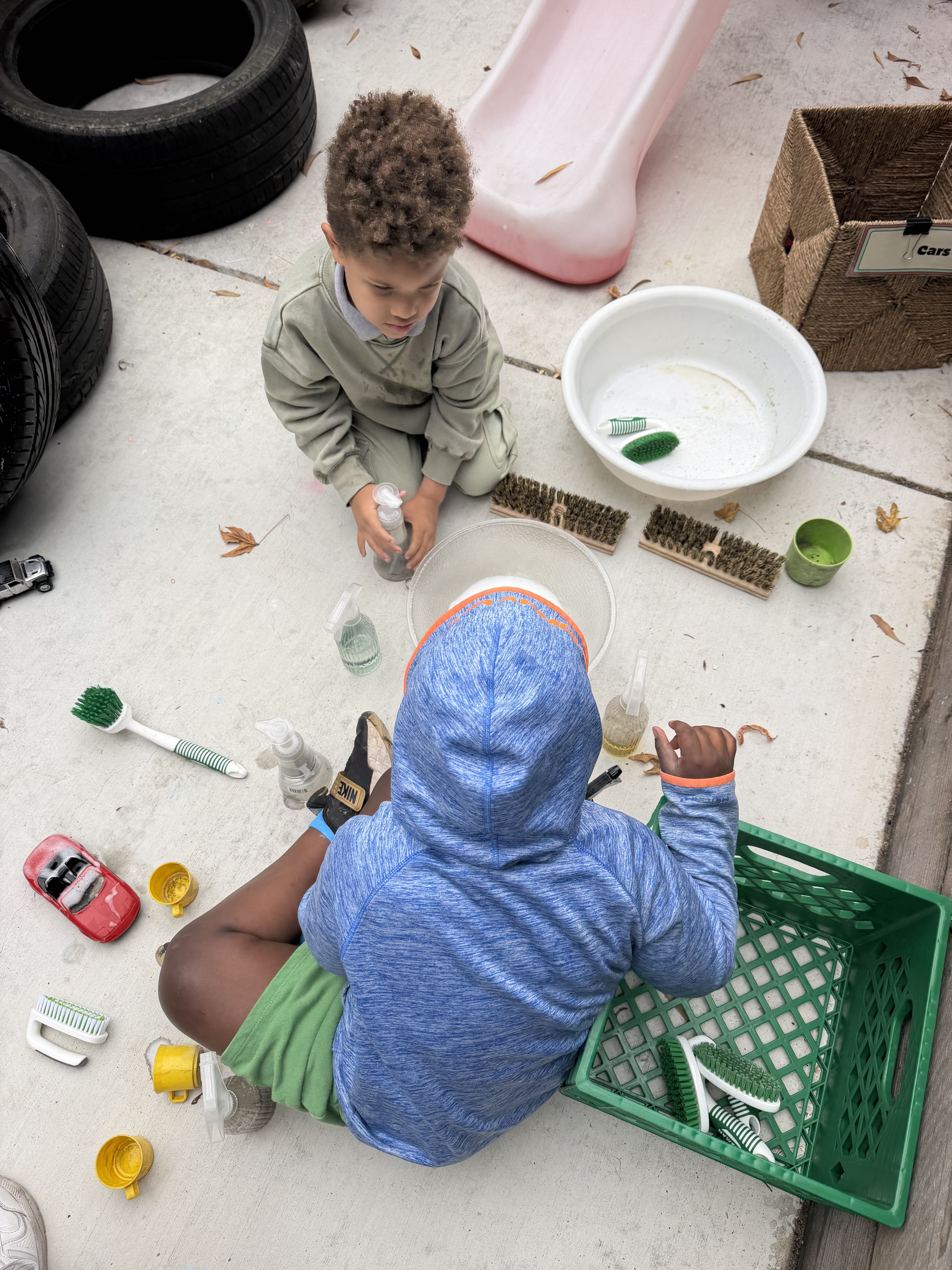
Two youth work together to clean toy cars, building fine motor skills and teamwork.
A youth sends a ball down a tube, a simple activity that supports coordination and focus.

In creating a camp around the campers, rather than asking them to fit into the camp, OTTP-NorCal created space for them to show us what they can do.

These youth interacted with sensory bins created by OTTP staff, a hands-on activity that supports tactile exploration, fine motor development, and social engagement through shared, collaborative play.

How OTTP Therapists Turned Everyday Materials Into Therapeutic Play This Summer

Sensory play can come with a price tag. Commercial sensory kits can cost $35 to $50, while larger classroom or event kits can cost $150 to $200 (Sensory Play Labs). But meaningful sensory play does not require expensive equipment.

OTTP-NorCal's summer camp put that idea into practice.

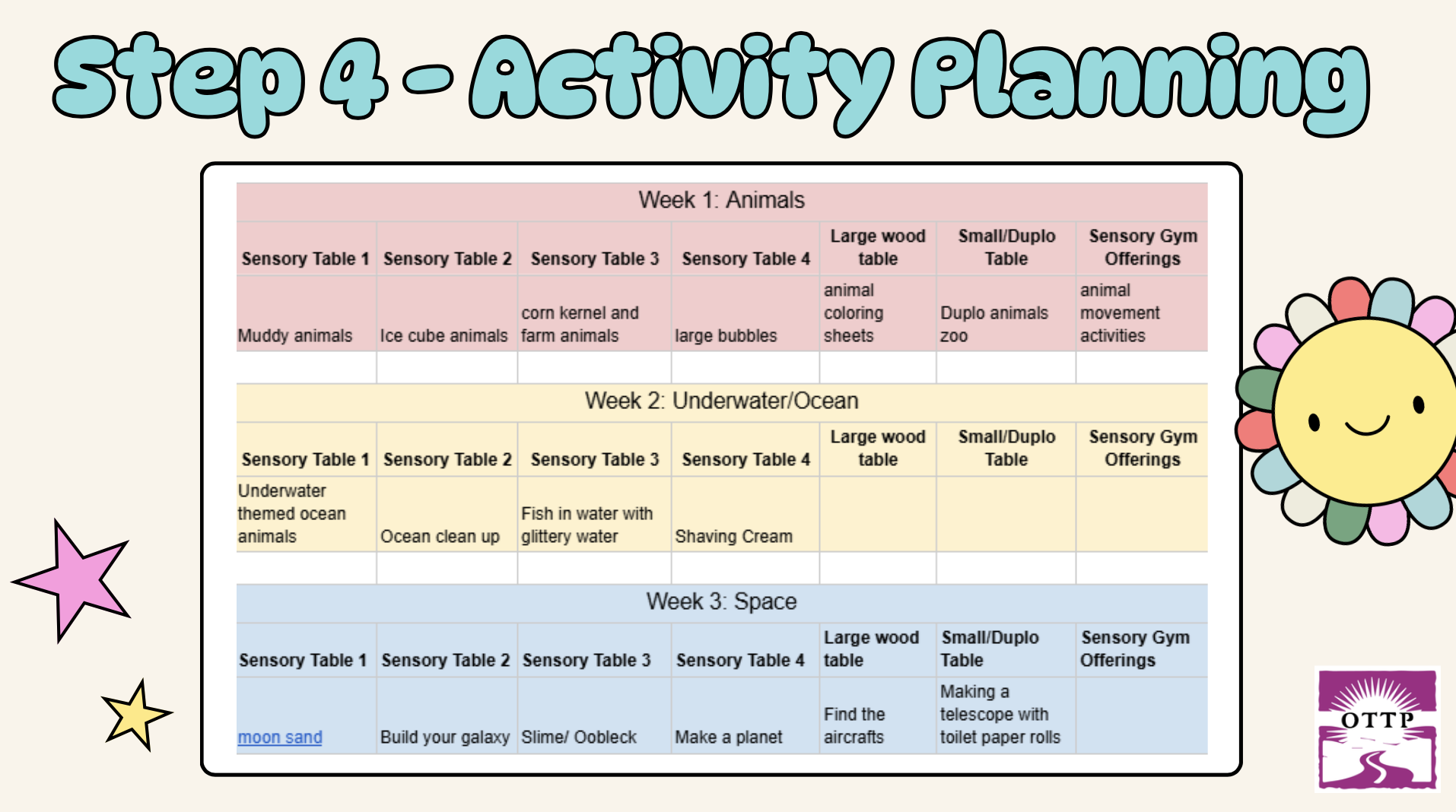
Rather than purchasing a collection of expensive, pre-made sensory activities, a team of occupational therapists at our Oakland office created their own using materials they already had, supplemented by affordable supplies. Each week had a different theme, including farm animals, under the sea, and outer space. From there, the team designed sensory bins around the interests and sensory needs of the campers.

The bins included corn kernels, dyed rice, painted pasta, homemade Play-Doh, moon sand, shaving cream, oobleck, bubbles, and ice with toys frozen inside. The team added simple play invitations, such as animals, nets, stars, and tools, giving children opportunities for imaginative, organizing, construction, and social play.

But the materials themselves were only part of what made the bins therapeutic.

The OT team considered safety, variety, sensory needs, and what would be fun for the children. The bins remained available throughout most of the day, allowing campers to choose what interested them, explore at their own pace, and interact with materials in ways that felt comfortable.

Sensory play gave therapists opportunities to support regulation, communication, social connection, fine motor skills, and problem-solving while also learning more about each child. Which textures did they seek out? What did they avoid? Did they prefer to play alongside others? What helped them feel comfortable enough to explore?

Most importantly, the bins created opportunities for joy.

A bubble sensory bin supports tactile exploration, visual tracking, and calming, self-regulating play.
A corn and animal sensory bin supports tactile exploration, imaginative play, and fine motor development.

For OTTP-NorCal, creating a sensory-rich camp was never about having the most expensive equipment. It was about using occupational therapy expertise to transform everyday materials into meaningful opportunities for children to explore, connect, regulate, and simply enjoy being kids.

Sometimes, therapeutic play starts with nothing more than what you already have.

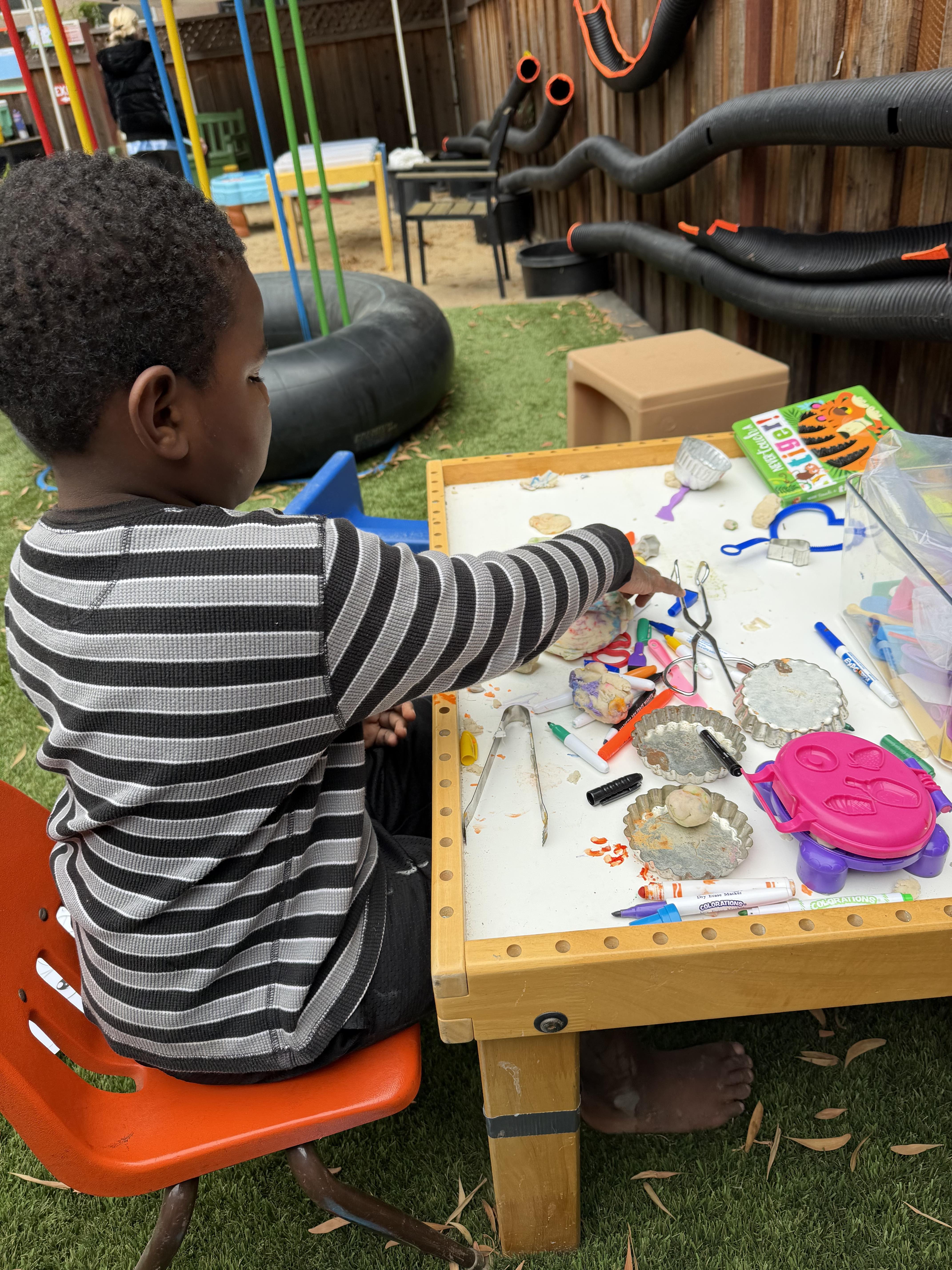
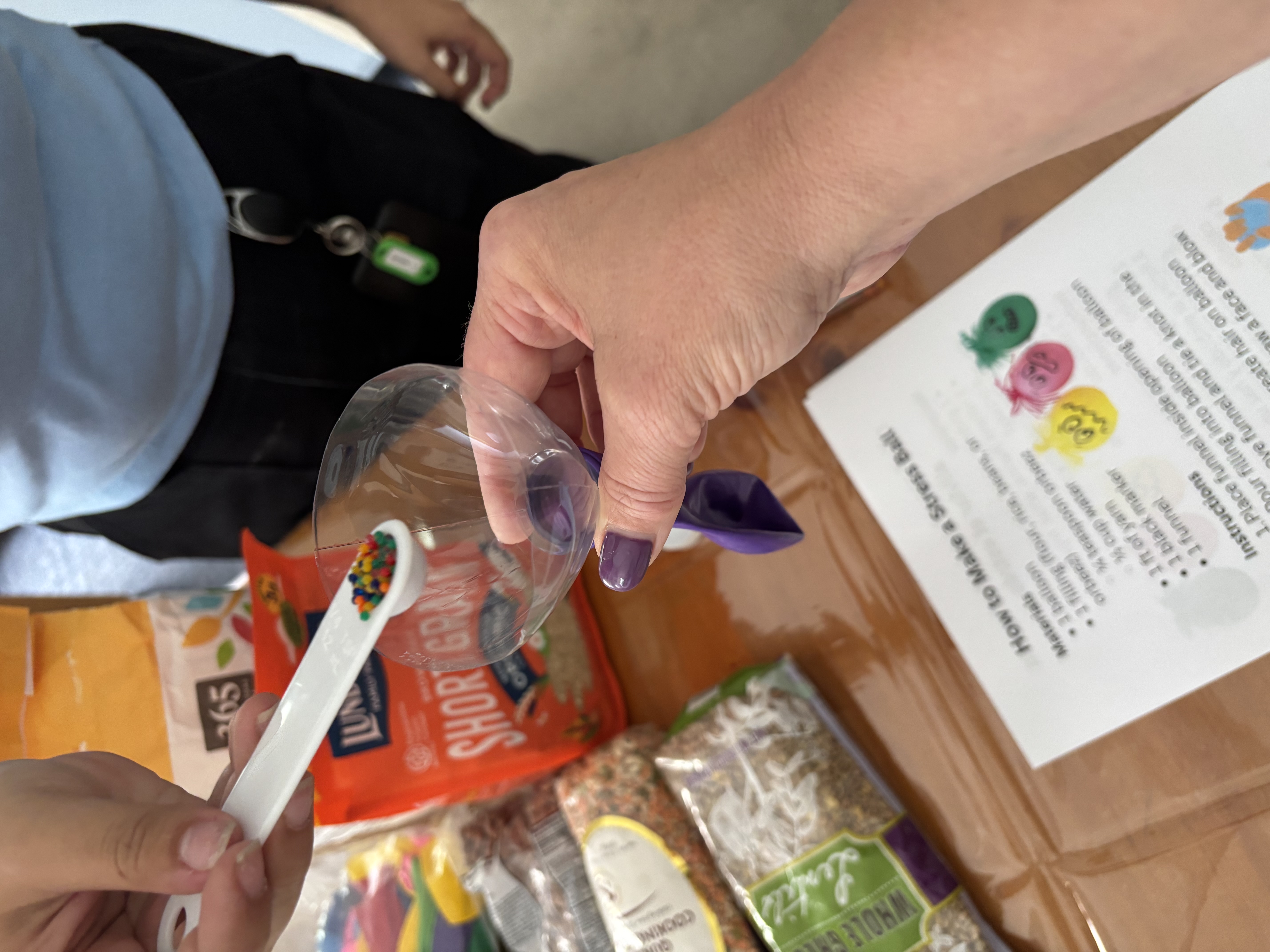
One of the activities at the Summer Hangout Group was making stress balls. This hands-on activity supports fine motor development, sensory regulation, and provides a calming outlet for stress.

Summer Hangout Groups Give Youth a Place to Practice, Connect, and Grow

Over the summer, OTTP-NorCal hosted a series of Hangout Groups, giving clients weekly opportunities to engage in therapeutic activities, practice skills, and work toward individual goals alongside their therapists.

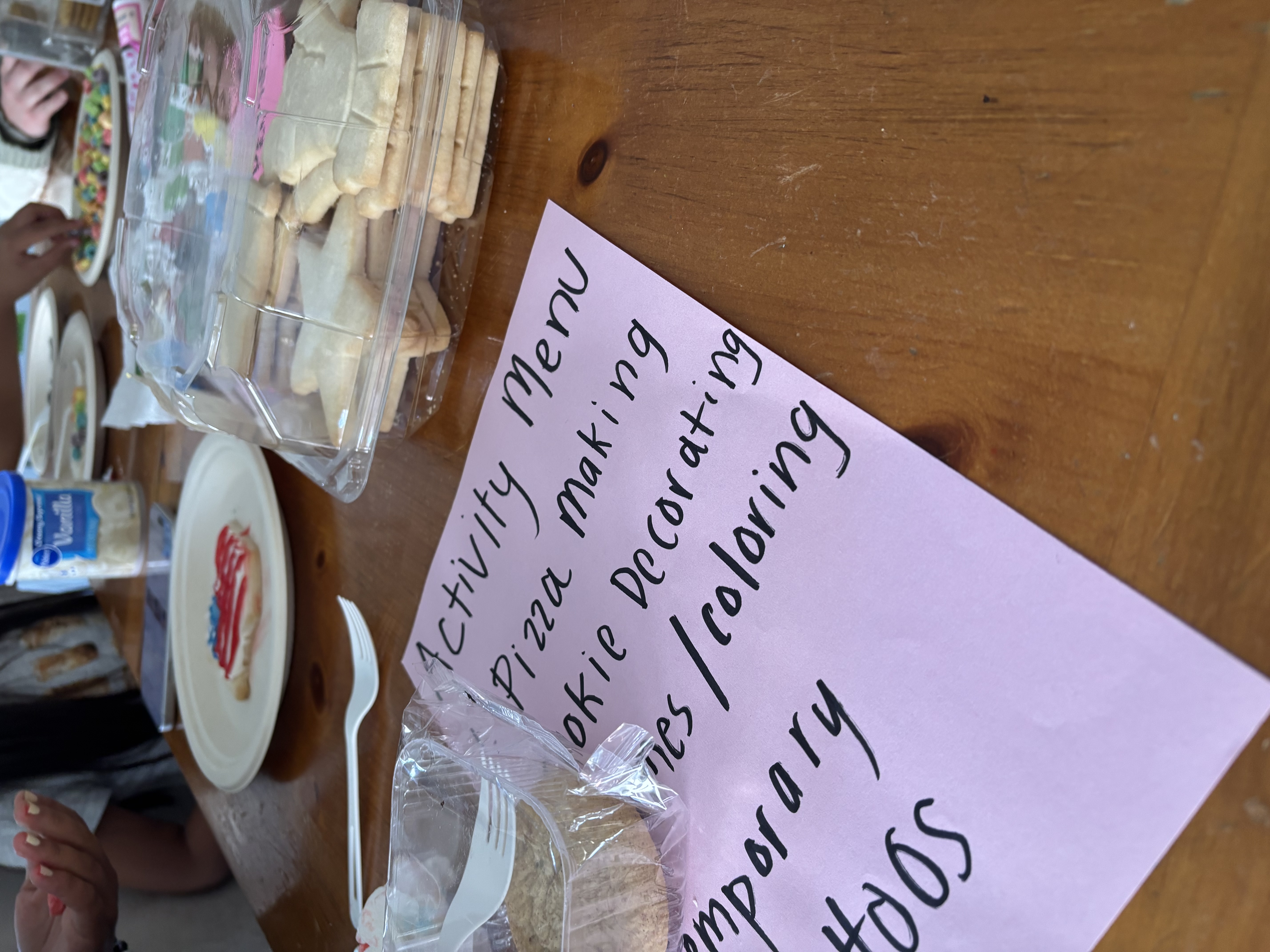
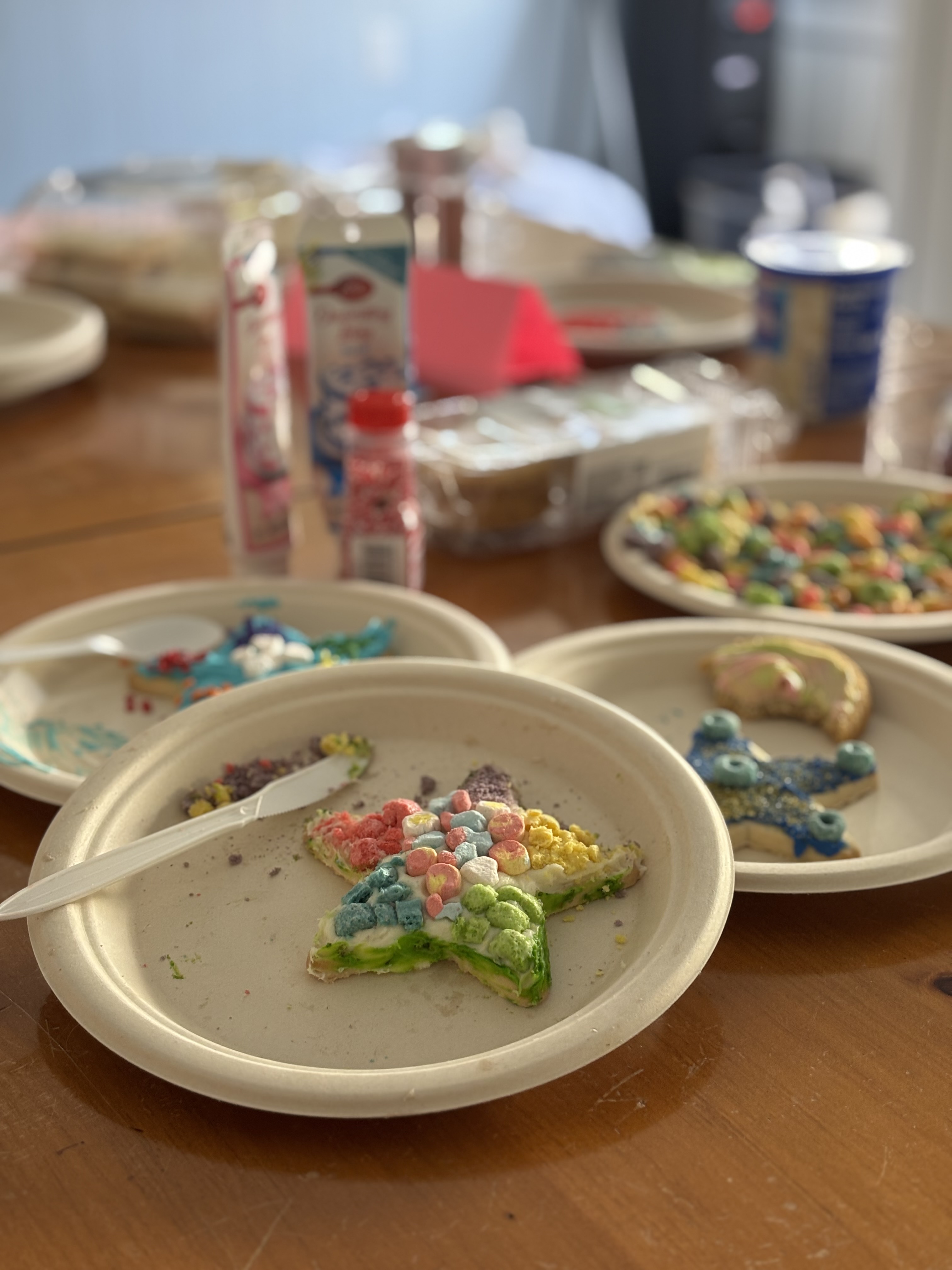
Led by Camille Schilling, Occupational Therapist, and Meta Bodewes, Psychotherapist, the groups included hands-on activities like making stress balls, slime, and playdough, as well as games and baking.

For many clients, the groups offered more than crafts and games. They provided a low-pressure space to practice skills that can carry into everyday life.

"I know my client really enjoyed the opportunity to practice skills with others. He's practicing sustained attention, and being with others stimulates a social setting, like class, to help him generalize that skill. He continues to grow that skill, and it's built his confidence to seek out new friends."

— Ada Le, Occupational Therapist

This group cookie decorating activity supports fine motor development, creative expression, and social connection through shared, collaborative play.
This pizza-making activity supports fine motor development, sequencing and planning skills, and social connection through shared, collaborative play.

For Mental Health Rehabilitation Specialist Katrina Pho, one memorable moment came while baking brownies and making lemonade.

"Seeing my client smile, enjoy the results, and feel proud of what he was able to make was amazing! He asked to take home the recipes afterward, so he could make them with his siblings."

— Katrina Pho, Mental Health Rehabilitation Specialist

For this client, who already had strong social skills, the group provided an opportunity to try something new in an unfamiliar setting and bring that experience home.

Other moments throughout the summer highlighted the many ways youth were able to practice and grow. One young girl was working on introducing herself in English ahead of a school change. During the group, she introduced herself independently and made a new friend. In later sessions, staff watched her light up when she saw that same friend again, proudly showing her the day's activity and inviting her back into the group.

Another young client, who experiences significant social anxiety, attended two sessions and pushed through real discomfort to participate at a level that felt manageable for him each time. Staff described watching him work through that anxiety as "amazing to see."

Across the summer, the throughline was consistent: real skills, practiced in a real social setting, with real people cheering each other on.

Donor Impact

Monthly Donors Steve and Betsy Block Find Purpose in Supporting Youth Mental Health

Steve and Betsy Block, OTTP-NorCal Donors

For Steve and Betsy Block, monthly donors to OTTP-NorCal since 2022, giving back has always meant staying close to home.

"Over the years, we've supported organizations dedicated to youth mental health, and OTTP's mission struck a chord with us," the Blocks said.

Among OTTP-NorCal's many programs, one holds particular significance for the Blocks: its work inside the Alameda County Juvenile Justice Center, where young people often face significant mental health needs that can go unaddressed.

"We love that OTTP meets these young people where they are and helps them build real skills for their future: communication, problem-solving, and a path toward the career and educational goals they're working to reach," the Blocks said.

Supporting young people navigating both the justice system and their mental health is part of what has kept the Blocks giving year after year.

"There is always a need in our community for the services OTTP provides, and our donations can help support that work," they said.

The Blocks intentionally focus their giving locally. "We like to focus our giving on our local community because there are so many needs right here, and we want to make a difference where we live."

For them, investing in youth mental health is an investment in the future of their community.

"Too many young people in our community struggle with emotional and mental health challenges throughout their lives," they said. "OTTP's programs can make a profound difference, helping young people build resilience, improve their mental well-being, and gain the confidence and opportunities they need to succeed in life."

That belief in both the need and OTTP-NorCal's ability to meet it continues to drive their support.

"We believe the work OTTP does to improve the lives of young people in our community is important, and deserves the support of people like us who want to help build a stronger community."

— Steve and Betsy Block, Monthly Donors
Organization Updates

Youth Pathways Scholarship Fund: Unlocking Opportunity, Removing Barriers

For many of the young people we serve, the difference between staying on track and falling behind can come down to something small: a uniform for a team, a tuition payment, or a fee for a certification or college application.

It's not about motivation or ability. It's about access.

This year, OTTP-NorCal launched the Youth Pathways Scholarship Fund, a new initiative designed to help close that gap. Through one-time micro-scholarships, the fund helps remove specific financial barriers that could otherwise prevent a young person from participating in an opportunity that supports their goals.

Support can cover career training and certifications, academic and college readiness programs, life skills such as driver's education and financial literacy, creative and artistic lessons, physical activities that support emotional regulation, and structured youth programs and camps.

The amount of support varies depending on the opportunity. A $50 gift might help cover materials for an activity, while behind-the-wheel driving lessons can cost around $600. A certification or work-experience opportunity may require $1,000 or more.

For one young person, the fund is already opening a door she has been hoping to walk through.

Sarah Hui, OTD, OTR/L, Occupational Therapy Manager, shared that one of her clients recently received scholarship support for behind-the-wheel driving lessons.

"She has always wanted her license but has not had the opportunity for much practice behind the wheel. She just got her permit."

— Sarah Hui, OTD, OTR/L, Occupational Therapy Manager

A driver's license could open up new employment opportunities for this young person, including jobs at the airport that require one. It could also make it easier for her to help care for disabled family members, making this opportunity meaningful for both her independence and her family.

That is the goal of the Youth Pathways Scholarship Fund: to make sure financial circumstances don't determine which opportunities are within reach.

Every scholarship helps a young person explore their interests, build real-world skills, and take a meaningful step toward a more stable and self-directed future.

Interested in supporting the Youth Pathways Scholarship Fund? Visit our donation page and select "Youth Pathways Scholarship Fund" from the drop-down menu.

Donate Now →
Community Impact

The boys team charity Helps Youth Start the School Year Prepared

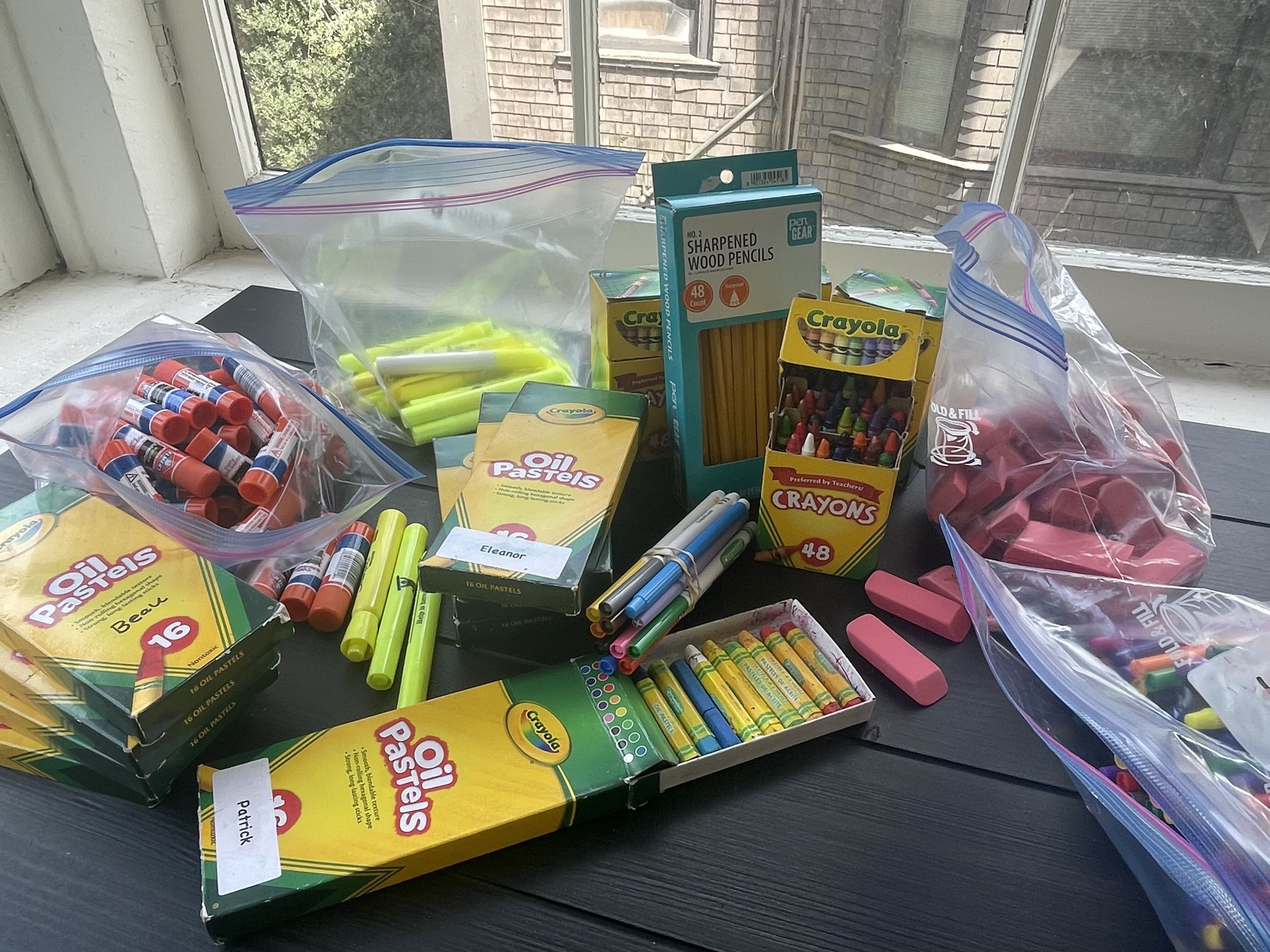
The boys team charity, Hacienda Chapter, generously donated school supplies to OTTP-NorCal youth clients ahead of the new school year.

The donation included glue sticks, oil pastels, highlighters, crayons, pencils, markers, and erasers, giving youth the supplies they need to feel prepared and confident heading back to school.

This is not the first time the boys team charity has supported OTTP-NorCal. In the past, the organization has partnered with OTTP-NorCal to create self-care kits and grocery meal kits for our clients.

We are grateful for their continued generosity and commitment to the youth we serve. By helping provide everyday essentials, they are removing one more barrier for young people so they can focus on what matters: learning, growing, and building their futures.

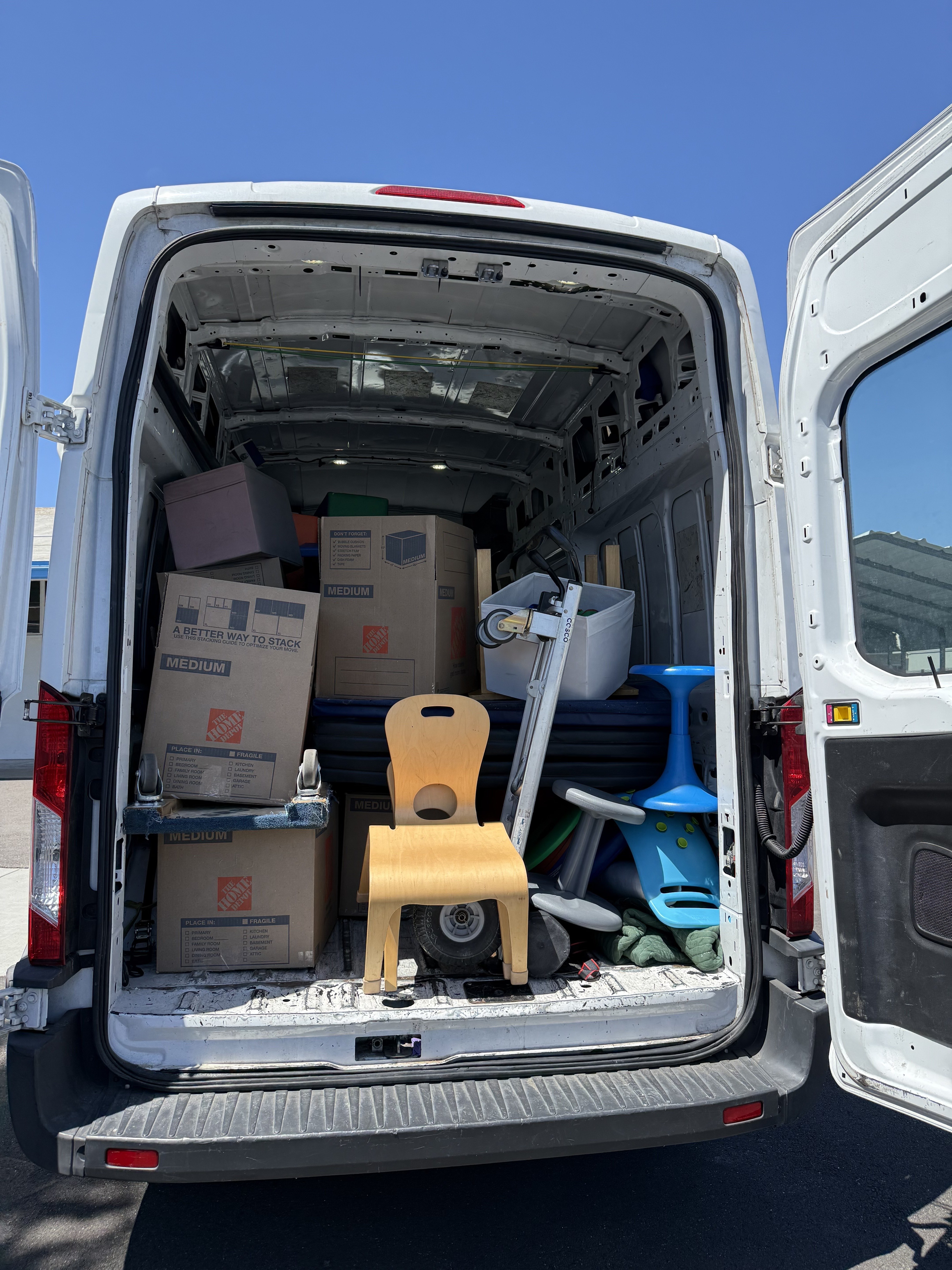
A van packed full of sensory room items, from wobble stools and mats to a child-sized chair, donated by The Primary School.
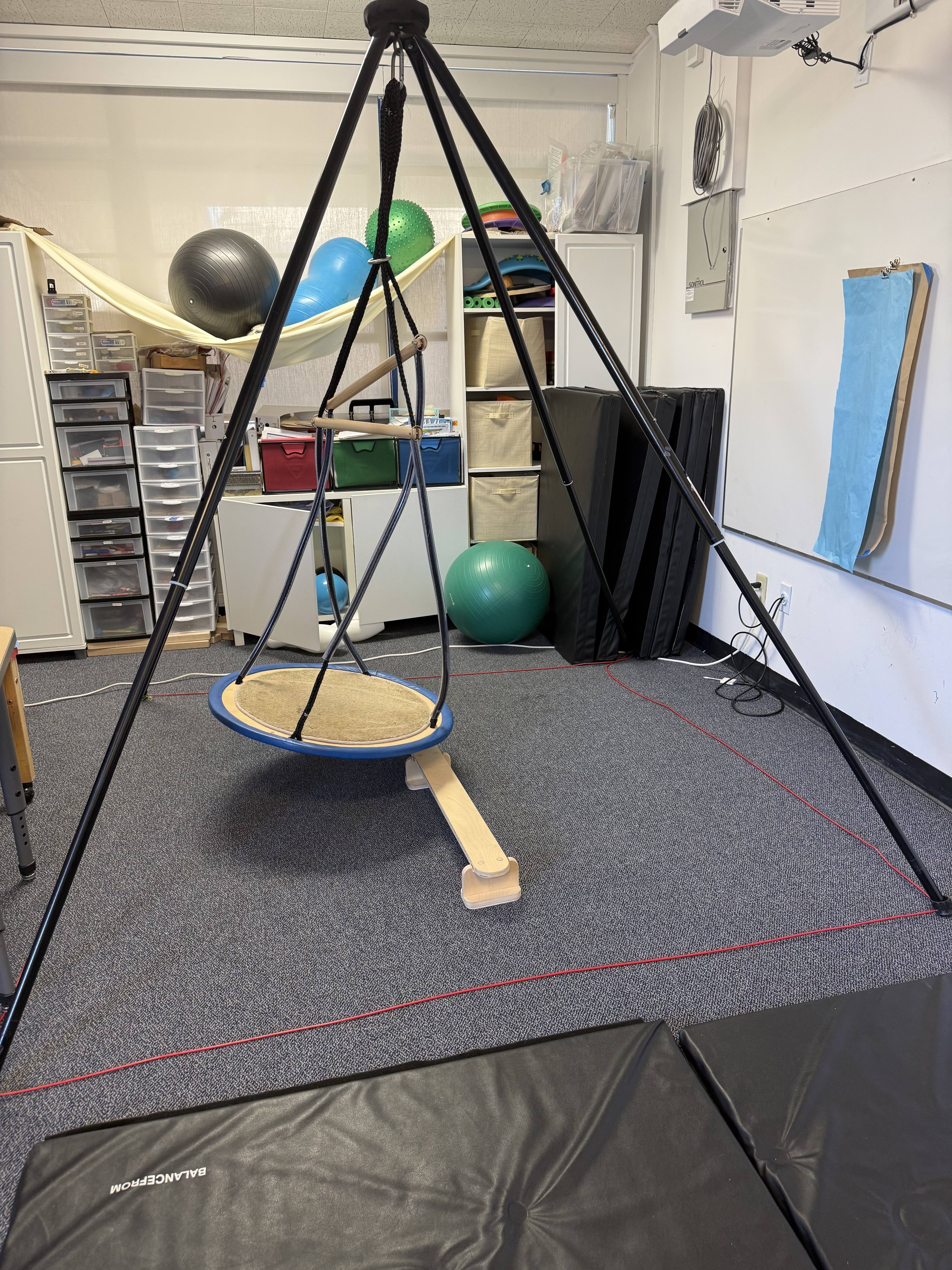
Swinging is great for sensory regulation, balance, and body awareness, and this donated swing will give youth a new way to get that input.

Community Donation Creates New Opportunities for Sensory Play

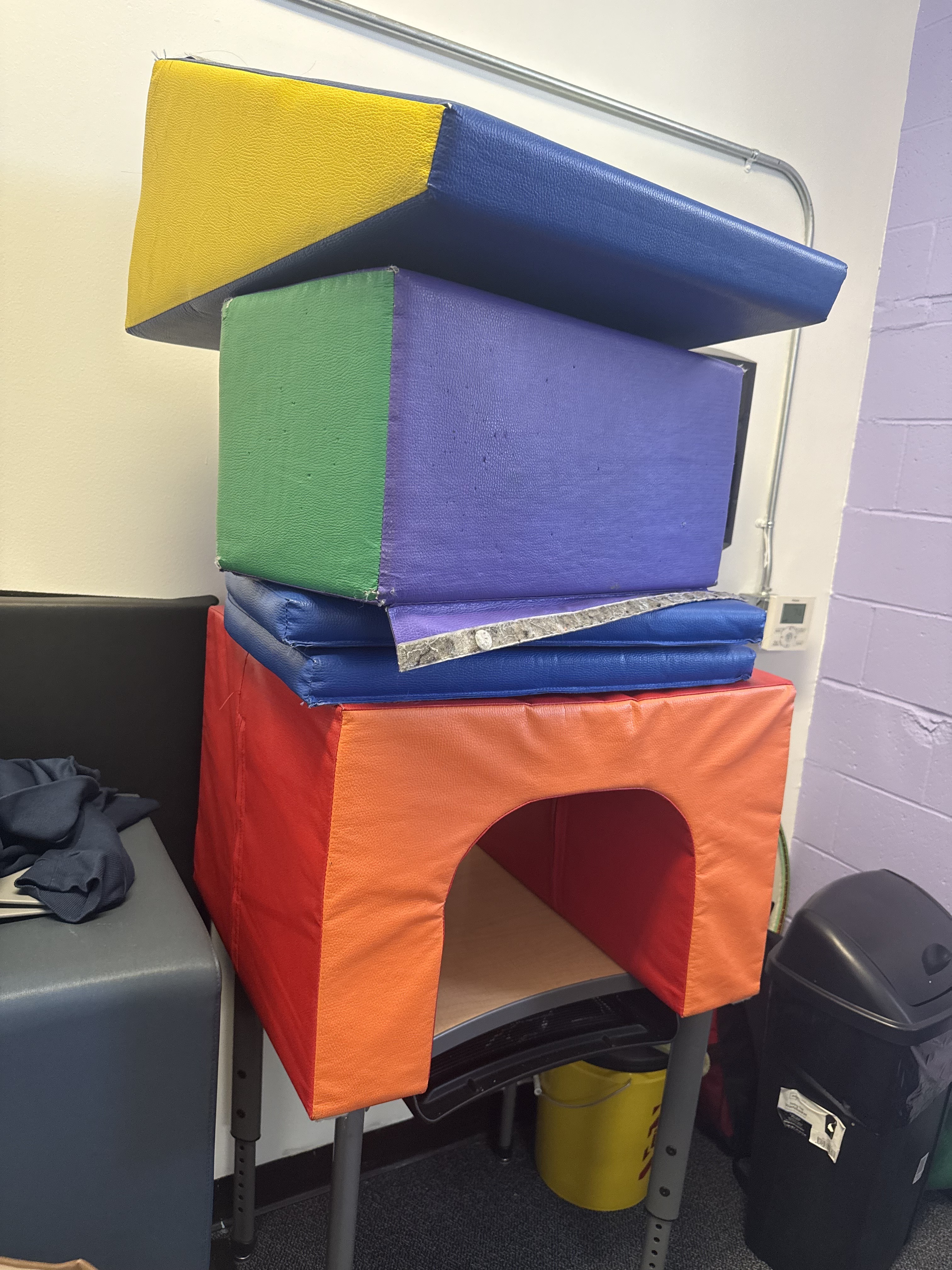
Thanks to The Primary School in Palo Alto and an effort led by Natalie Barrales, the school's former occupational therapist, OTTP received a donation of sensory room items, helping create new opportunities for youth to explore, play, and engage with their sensory needs.

The donation included crash pads, art supplies, and furniture, which were incorporated into OTTP-NorCal's Oakland sensory room and used during our summer camp. The space gave campers opportunities to explore movement, creativity, and sensory experiences in an environment designed to support their individual needs.

Colorful foam blocks and a crawl-through tunnel will give youth a soft, safe way to climb, build, and explore.

The impact of the donation extends beyond Oakland. These items can also be used by OTTP-NorCal clinicians in San Francisco and at the many schools and community sites where they provide services.

Art supplies donated by The Primary School gave this youth new ways to create and express himself.
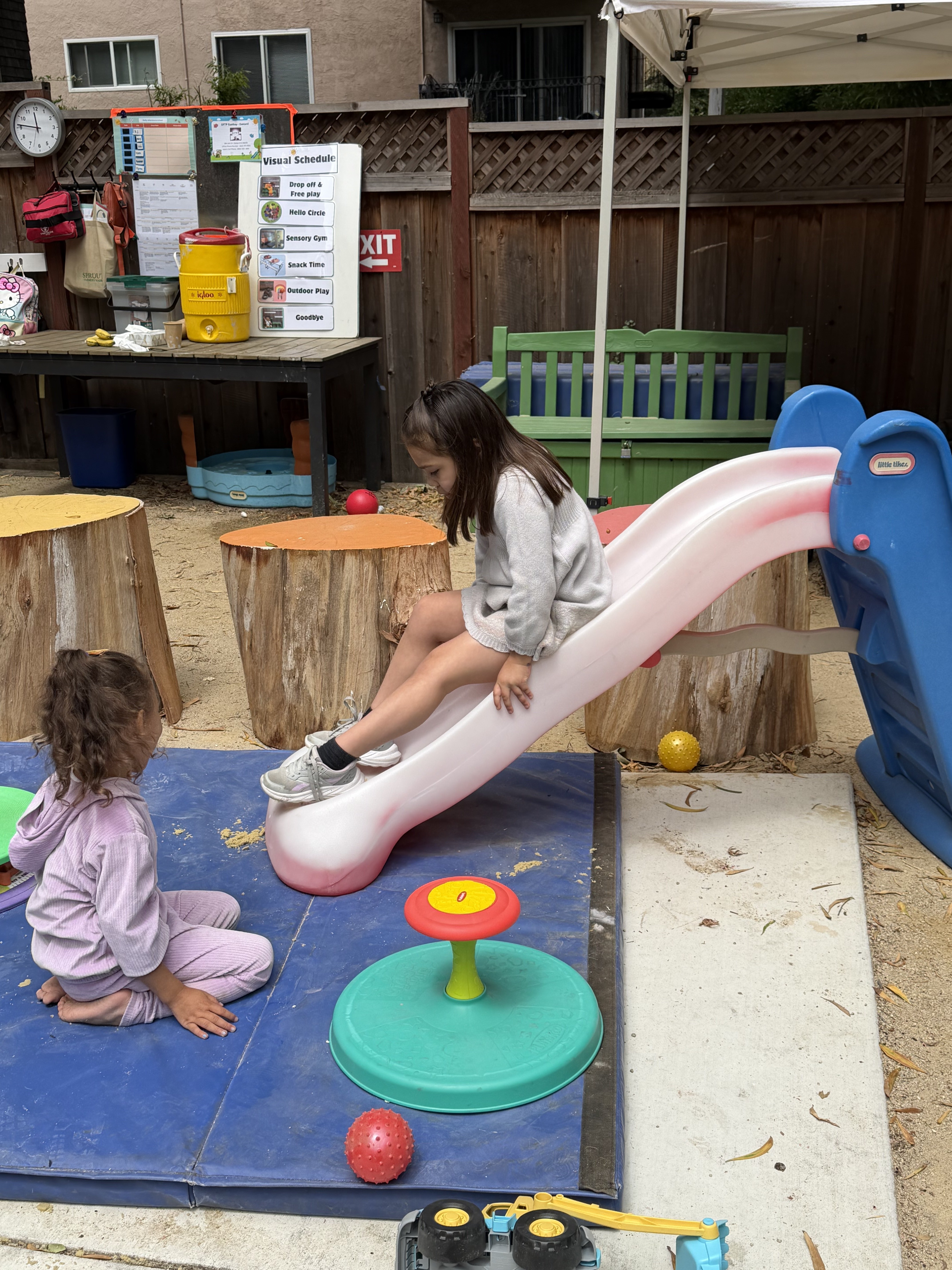
This donated mat allowed youth to play and socialize safely on the slide.

We are grateful to The Primary School for helping us create more spaces where youth can feel comfortable exploring, engaging, and learning through play.

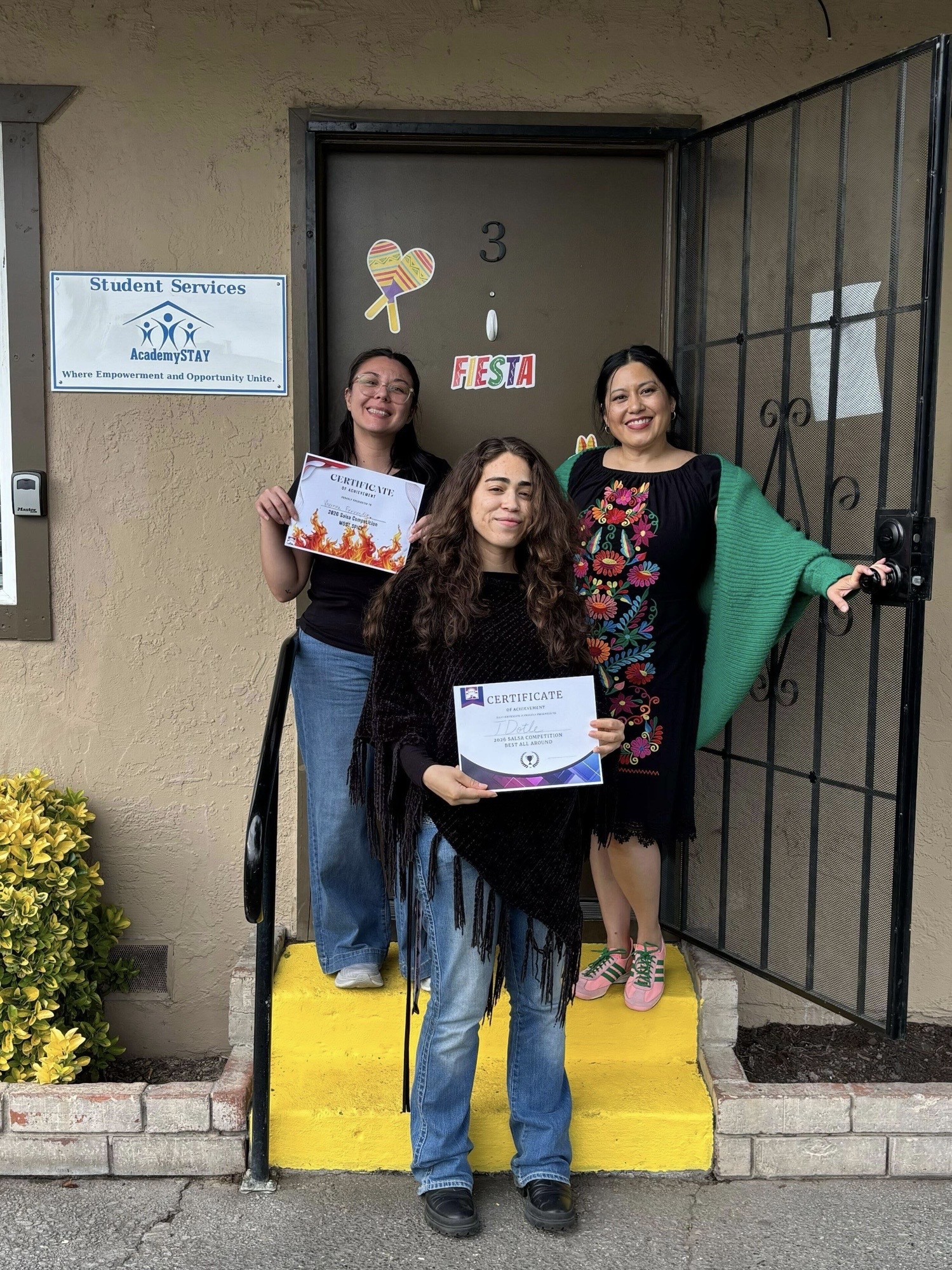
L to R: Vhernna Fernandez, OT/L - Vocational Specialist, OTTP Youth Client, & Terra Briones Colin - OTA Student
Where We Work

Bridging the Gap: How OTTP Supports Young Adults Transitioning Out of Foster Care

When a young person turns 18, most families are still there to help: with a place to stay, advice, or simply someone to call when things get hard. For young adults leaving the foster care system, that safety net often isn't there.

That's where AcademySTAY comes in. Located in Sacramento, AcademySTAY provides housing for young adults ages 18 to 24 who are aging out of foster care, giving them a stable place to live as they begin building lives of their own.

Through funding from Sutter Health, young adults at AcademySTAY can also access support from an OTTP-NorCal therapist without needing a diagnosis or health insurance. They can be connected through a case worker, friend, community partner, or by simply asking for help themselves. This support is also available throughout Sacramento County, wherever these young adults live.

The goal is simple: help young adults feel more stable, confident, and prepared for life on their own.

That can mean working toward goals like finishing school, finding a job, navigating transportation, managing healthcare, or figuring out complicated systems like housing and benefits. It can also mean building confidence, managing emotions, discovering interests, and figuring out what they want their future to look like.

Support is individualized and can happen one-on-one, in small groups, at AcademySTAY, in the community, or wherever makes the most sense for the young person.

OTTP held a salsa-making competition as part of a community-building celebration. This shared activity supports social connection, creativity, and a sense of accomplishment.

Since the program began in summer 2025, 15 young adults have worked individually with an OTTP-NorCal therapist, while residents have also been invited to participate in group activities and workshops. OTTP-NorCal staff also provide workshops for AcademySTAY staff, supporting the people who support these young adults every day.

The impact goes beyond any single session. Young adults have shared that OTTP-NorCal's support has helped them feel calmer and more in control, feel genuinely supported through difficult moments, and try new things they hadn't previously had the opportunity to experience.

At its heart, this work is about making sure young people don't have to navigate the transition into adulthood alone.

Everyone deserves someone in their corner while they figure out what comes next.

Staff Achievements & Contributions

Two OTTP Therapists Find New Ways to Reach Neurodivergent Clients

A child sits alone, spinning the wheel of a toy car over and over, uninterested in the group activity happening around him.

Most classrooms are built around the group. A therapist trained in DIR Floortime starts somewhere else: she sits down next to him and spins the wheel too.

That small shift, meeting a child where they are instead of asking them to meet everyone else first, is at the heart of a specialized therapeutic approach that two OTTP-NorCal occupational therapists recently trained in.

Claire Mueller and Shar Naidu Creasey, who both work with children ages 2 to 6, completed a 14-week DIR Floortime Certification program. Many of the children they serve are neurodivergent, including children with autism and other developmental needs.

DIR, short for Developmental, Individual-differences, Relationship-based model, is a play-based approach that focuses on building connection first. Rather than relying primarily on direct instruction, practitioners join children in their interests and gradually build those interactions into opportunities for communication, emotional regulation, problem-solving, and social connection.

"Some children don't respond to therapy that relies on strict instructions. They need connection first. DIR Floortime meets them through play and relationship instead of compliance."

— Claire Mueller, Occupational Therapist

For Claire and Shar, the goal of pursuing the certification was simple: become better clinicians for the children they already work with every day.

They plan to bring DIR Floortime into their work at St. Vincent's Day Home, using a child-led approach to support young children in their everyday environments.

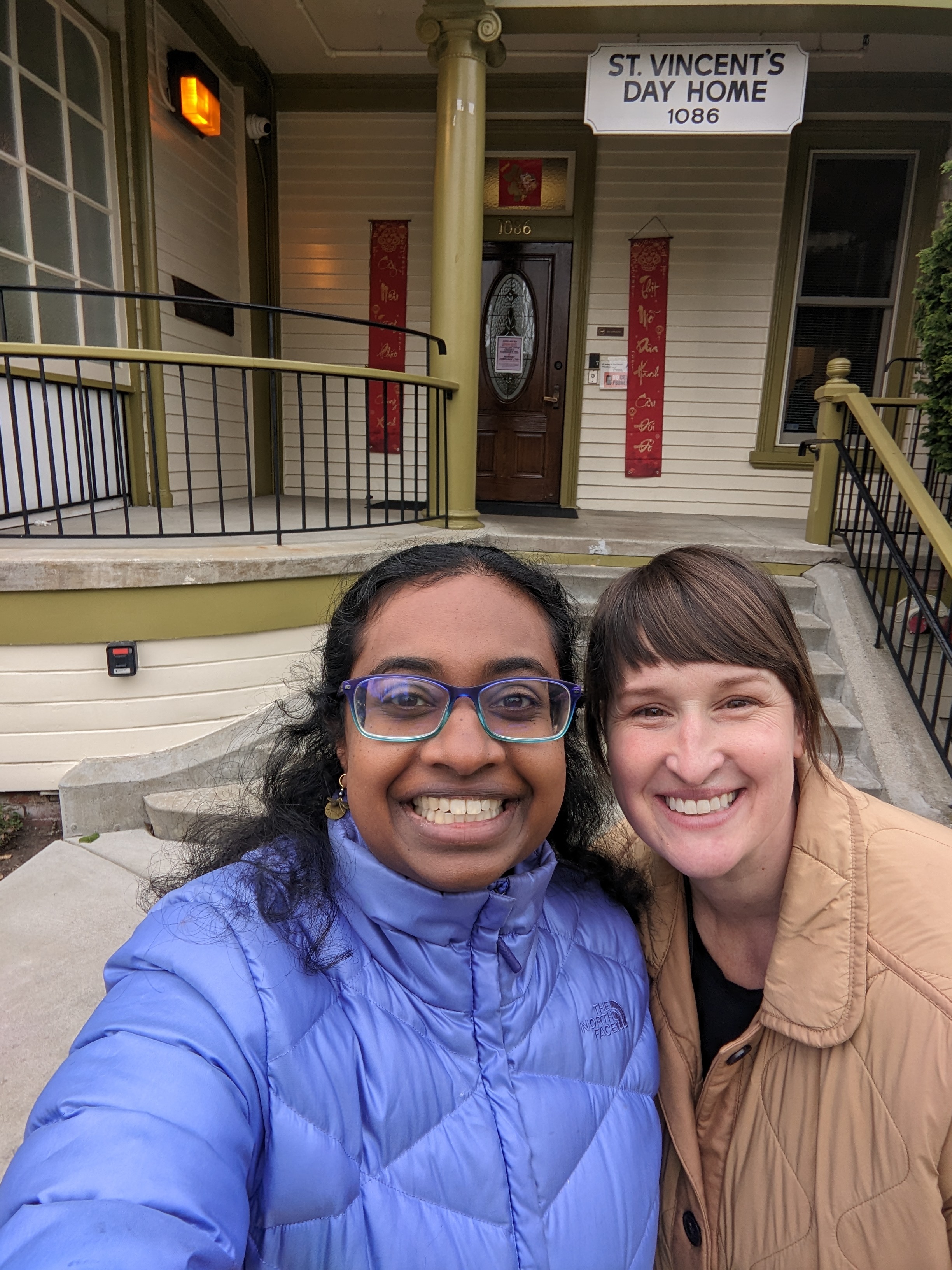
L to R: Shar Naidu Creasey, OTR/L - Occupational Therapist & Claire Mueller, OTR/L - Occupational Therapist

For OTTP-NorCal, expanding clinicians' training means expanding the ways we can meet children where they are.

Sometimes, reaching a child starts by joining them exactly where they're already playing.

Learning Through Doing: OT Interns Complete Level II Fieldwork

Over a three-month period, occupational therapy interns completed their Level II Fieldwork with OTTP-NorCal, each culminating their placement with a final presentation.

The interns came from Dominican University, University of Southern California, and Samuel Merritt University, three schools OTTP partners with regularly. Level II Fieldwork is a required step on the path to becoming a licensed Occupational Therapist: interns are interviewed and selected, matched with a staff supervisor, and by the end of their placement, are working directly with clients.

This cohort's final projects reflected the breadth of OTTP's work:

Professional Development: Lifestyle Redesign

Alexis Rodriguez

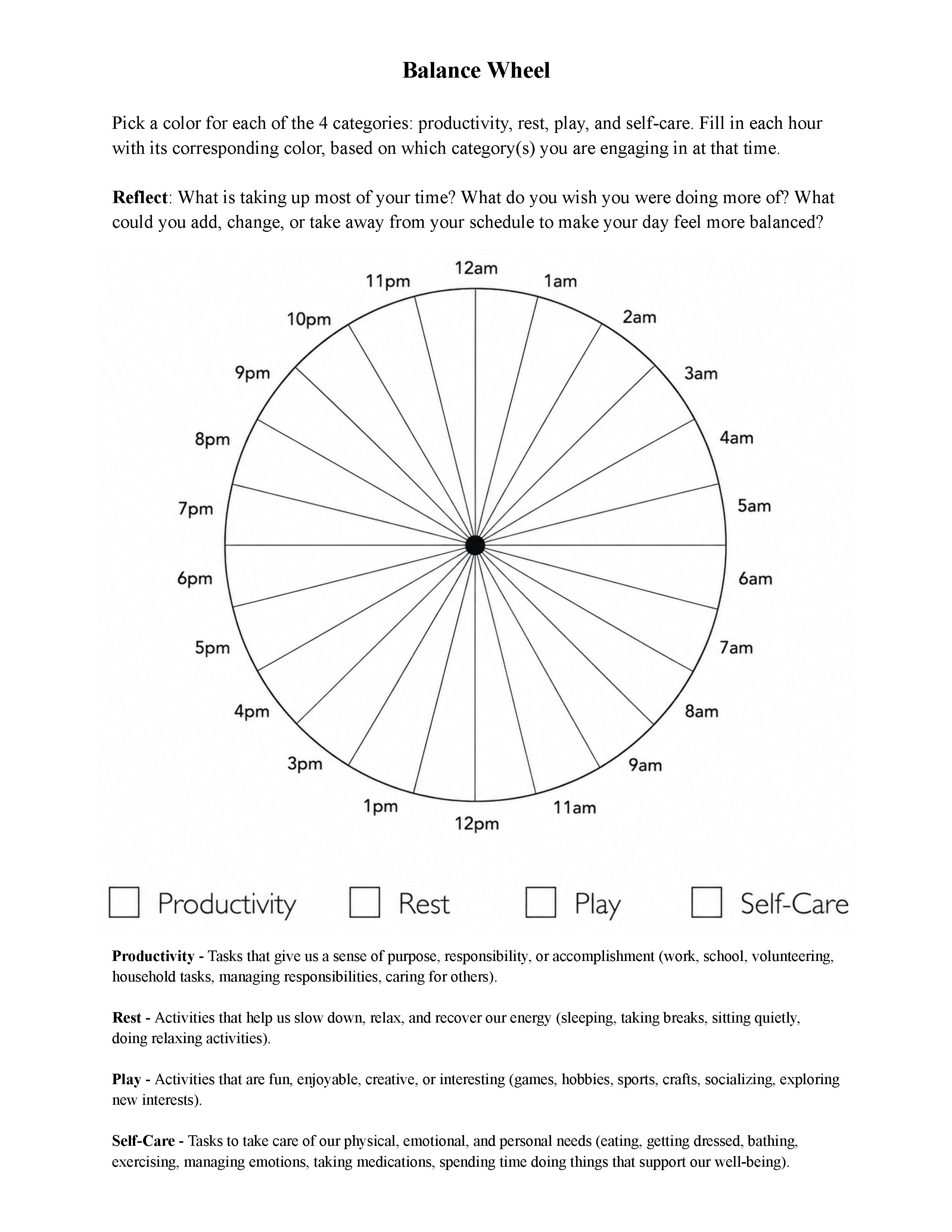
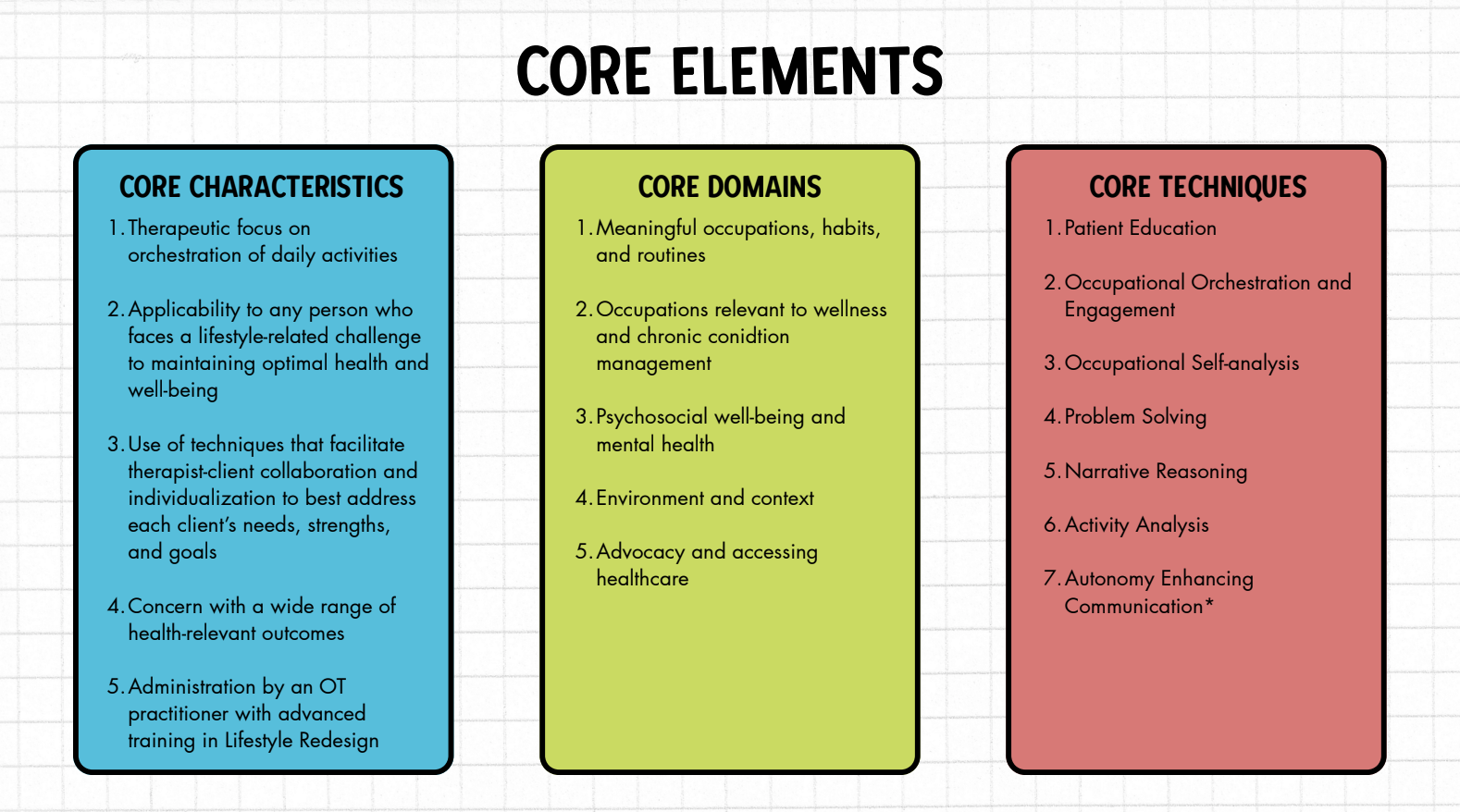
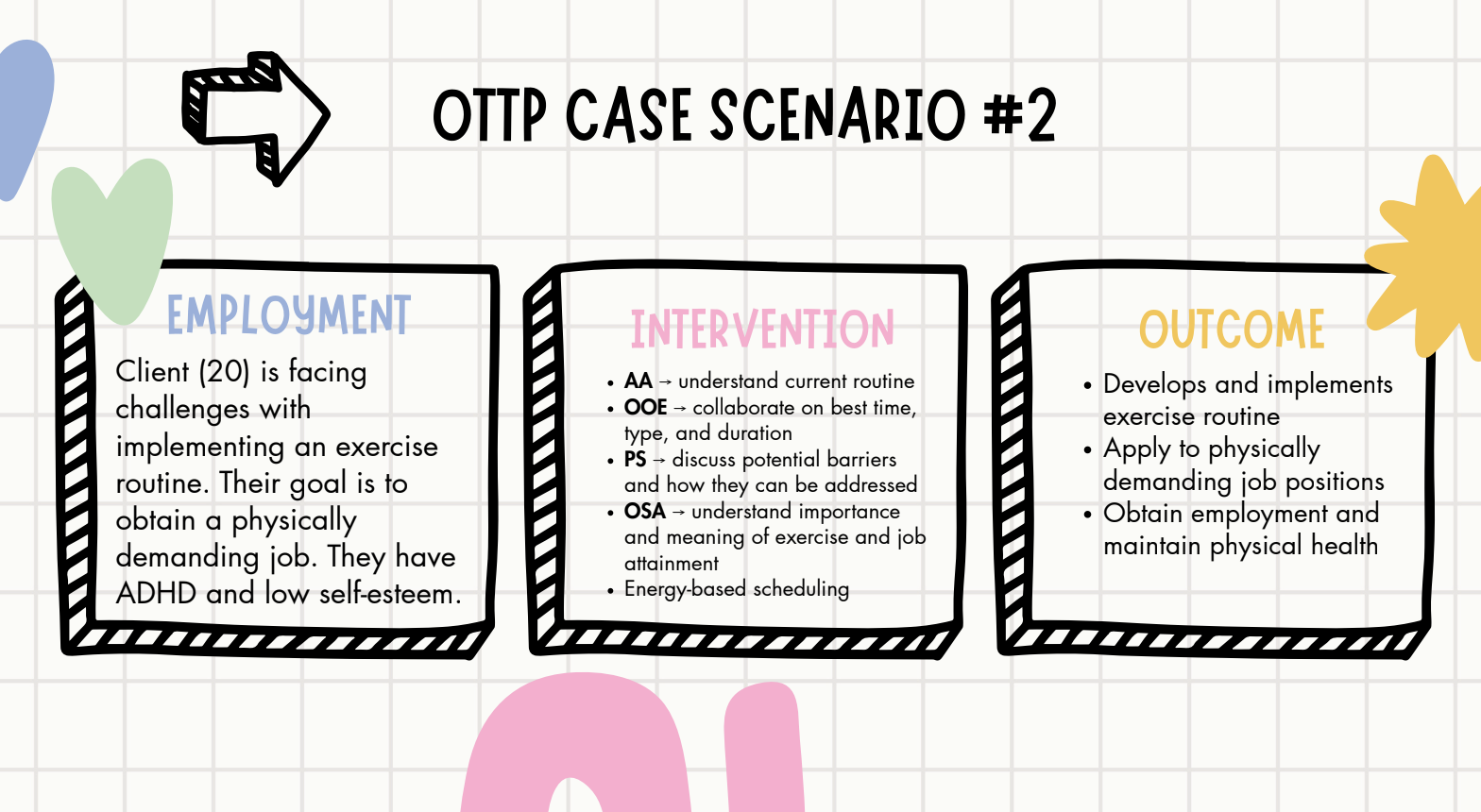
Alexis presented on Lifestyle Redesign, "An occupational therapy intervention framework that promotes awareness of the relationship between everyday activities and health, and guides people in the process of orchestrating occupations, habits, and routines to enhance health and well-being" (Pyatak et al., 2022). Alexis applied this framework to OTTP, sharing a variety of interventions that clinicians can utilize with their clients: balance wheel, symptom tracker, role analysis, and energy-based scheduling.
Alexis Rodriguez, OT Intern

Bridging Communication Gaps Between Caregivers, Teachers, and Clinicians

Jasmine Henley

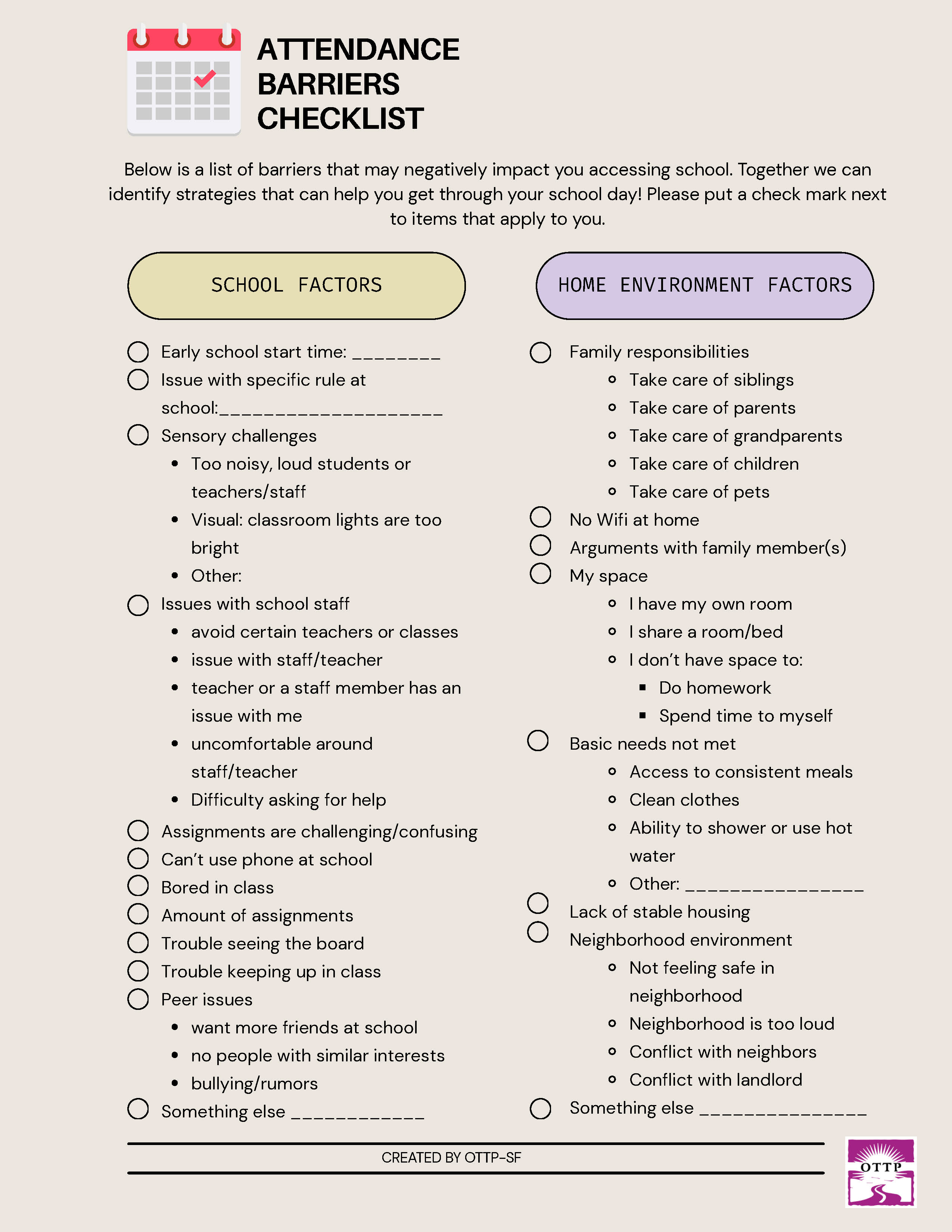
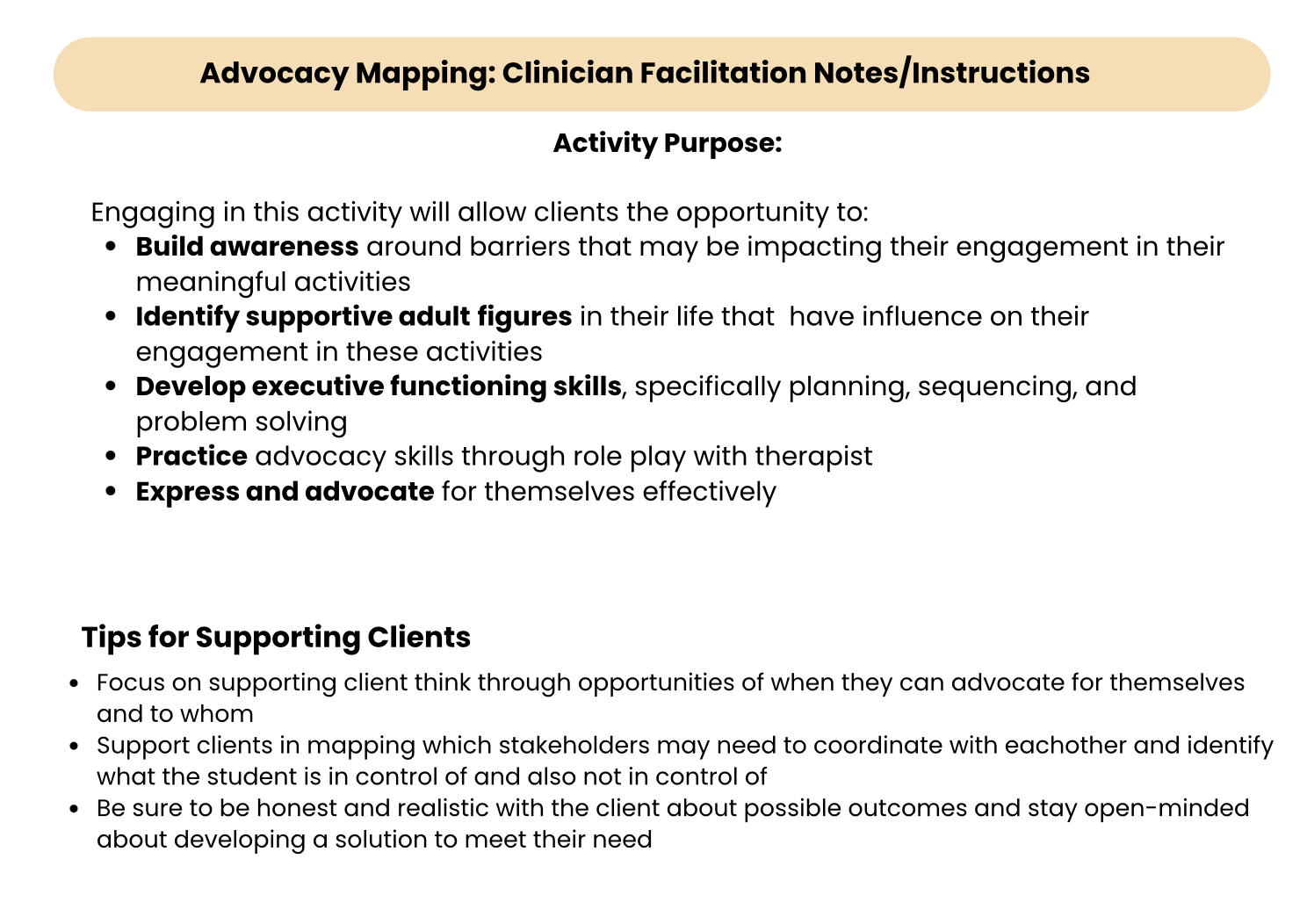
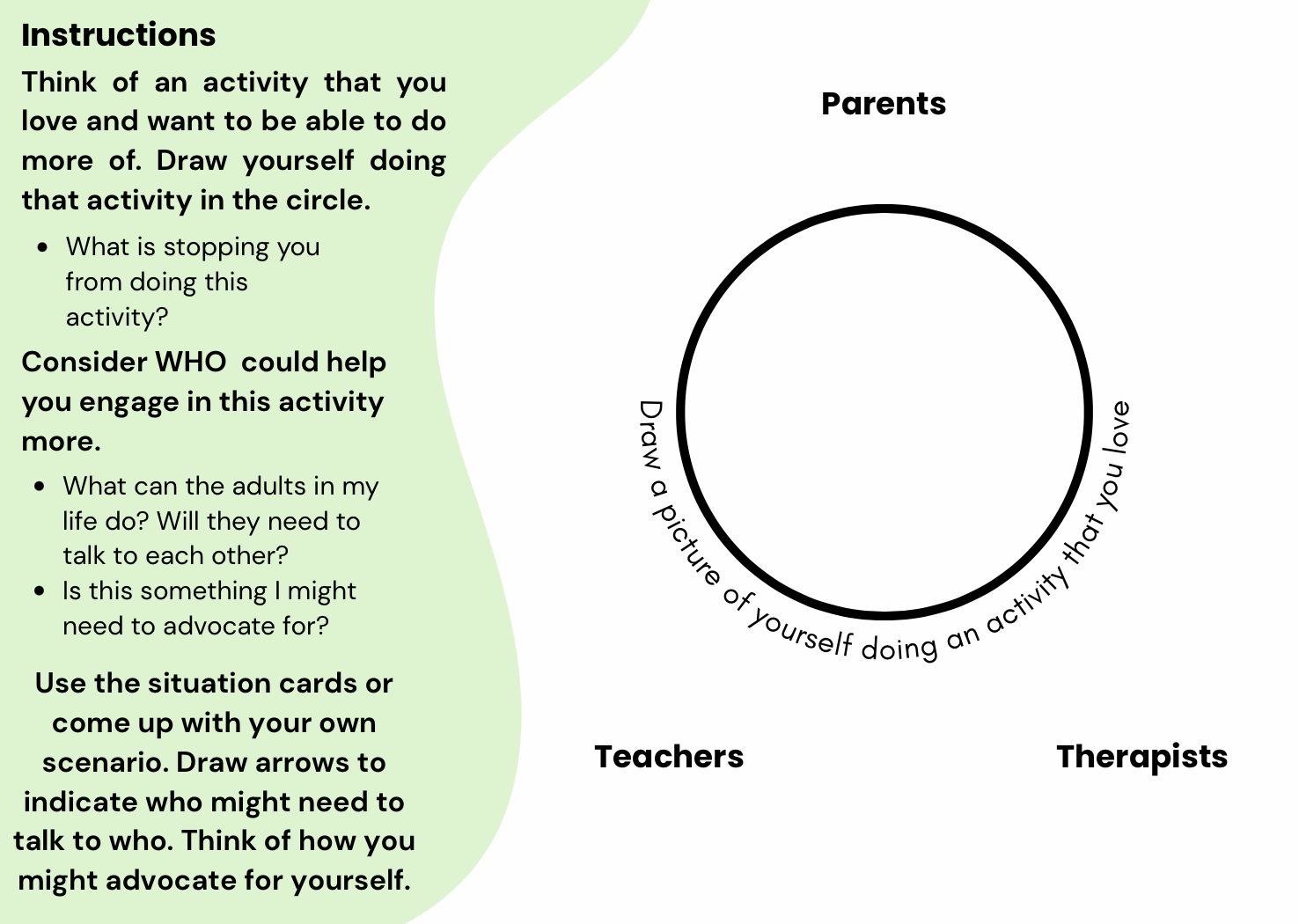
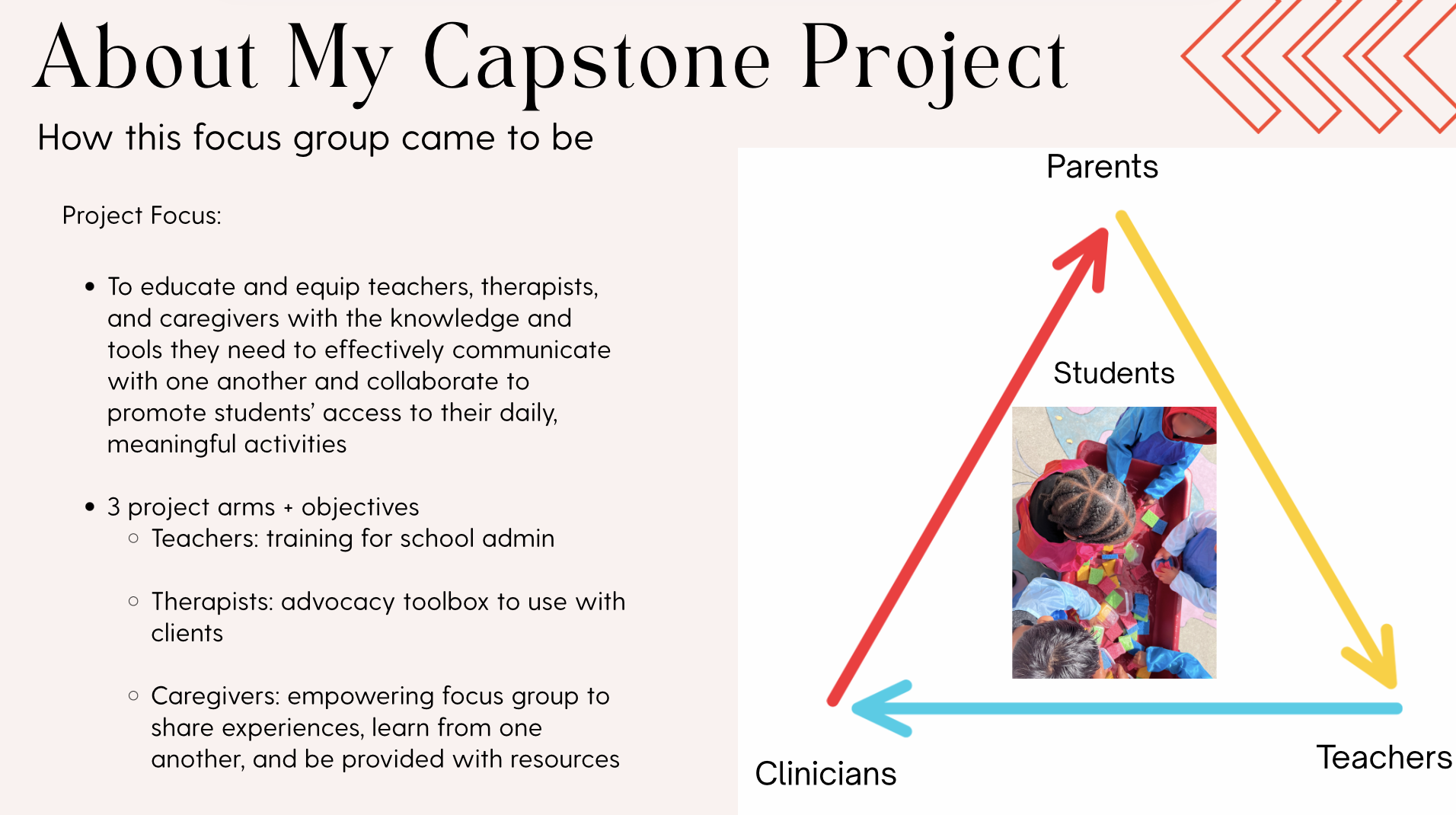
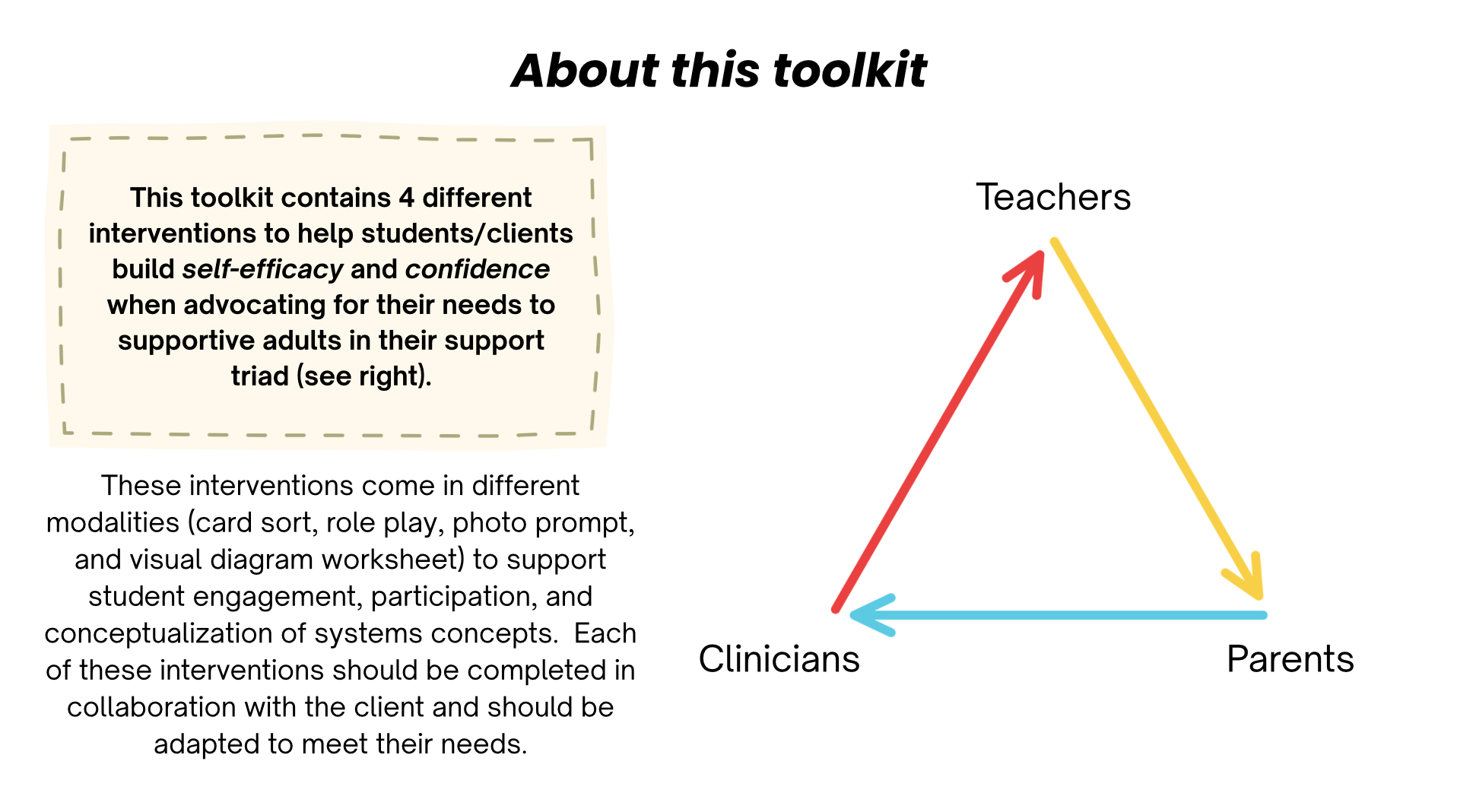
Jasmine's project focused on bridging the communication gap between caregivers, teachers, and clinicians. Each of these stakeholders experiences a range of barriers that impact their ability to communicate effectively with one another. With this in mind, Jasmine carefully adapted practical, client-centered strategies for each stakeholder group to enhance communication. This included a collaborative training for school administrators, a caregiver focus group with related resources, and an advocacy toolkit built for student and clinician use.
Jasmine Henley, OT Intern

Early Childhood Mental Health OT: Skills & Interventions

Amara Novotny

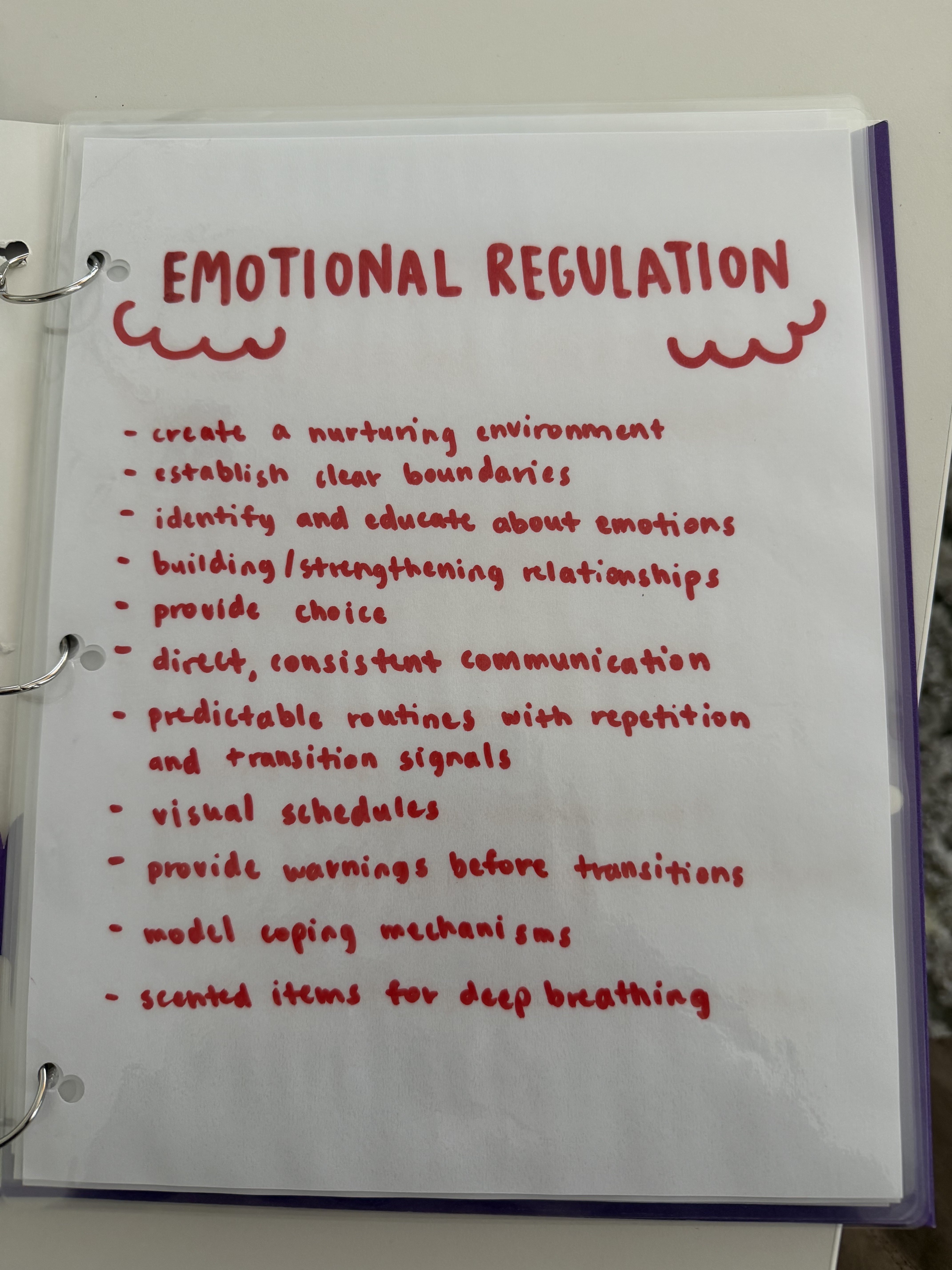
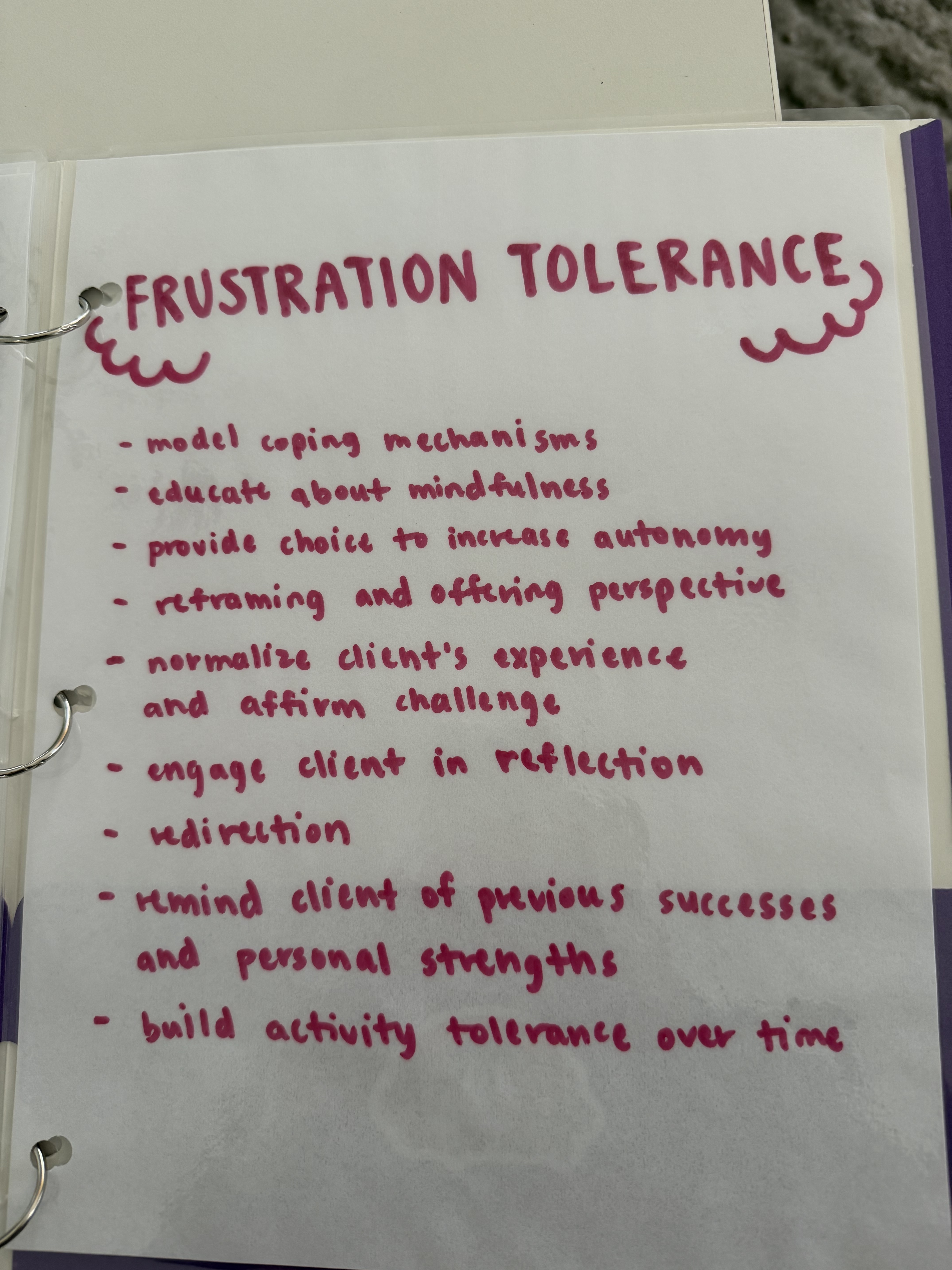
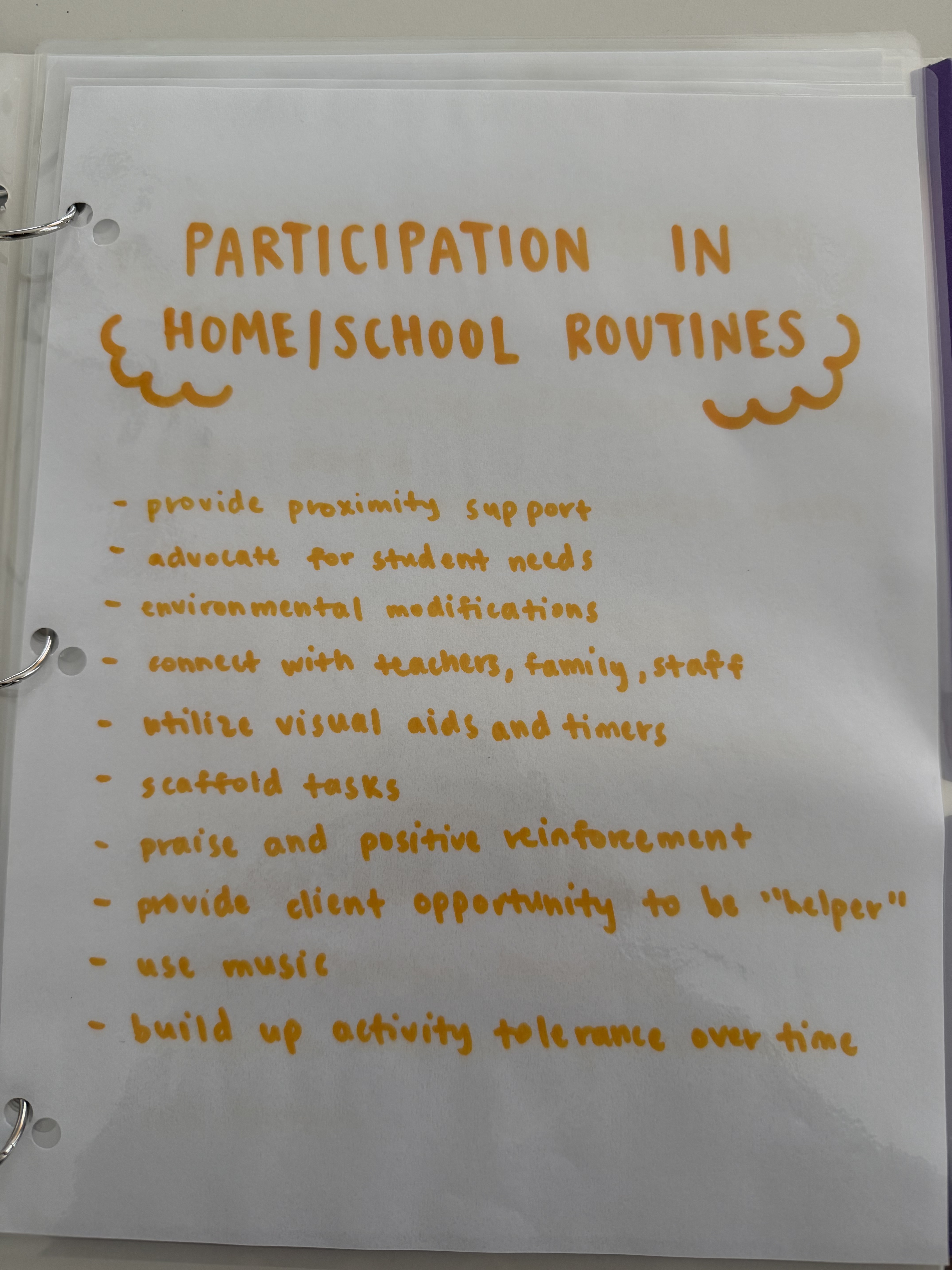
Amara compiled a booklet of popular skills that clinicians focus on with youth clients, drawing on what they witnessed from other OTTP clinicians' resources, as well as their time interning at Saint Vincent's Day Home. Skills included emotional regulation, participation in home/school routines, social interaction, interoception, sensory regulation, self-advocacy and positive self-concept, and frustration tolerance. For each skill, they included a variety of practical interventions that therapists could use with clients to help practice and develop those skills.
Amara Novotny, OT Intern

Youth Summer Camp Guide

Pamela Avalos

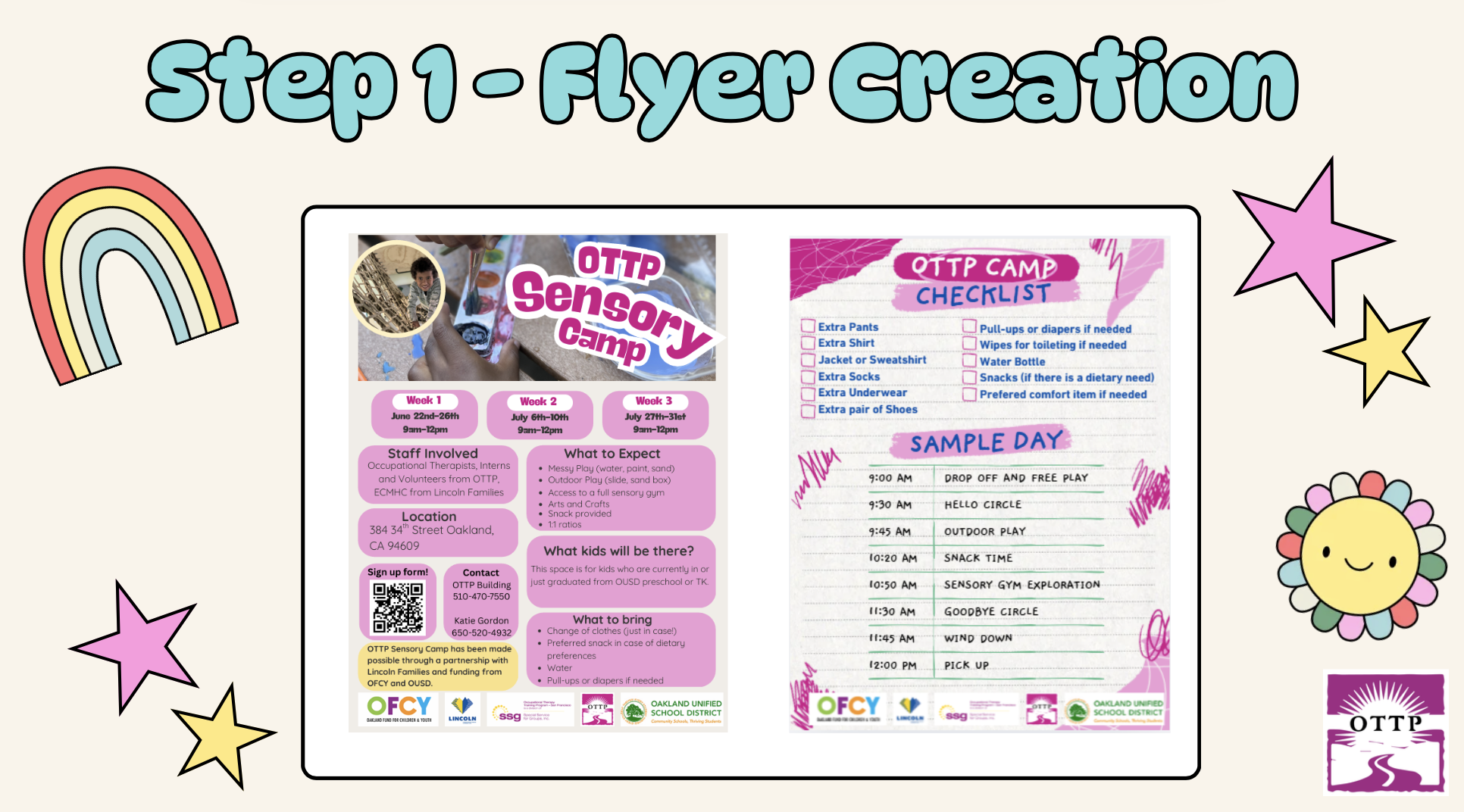
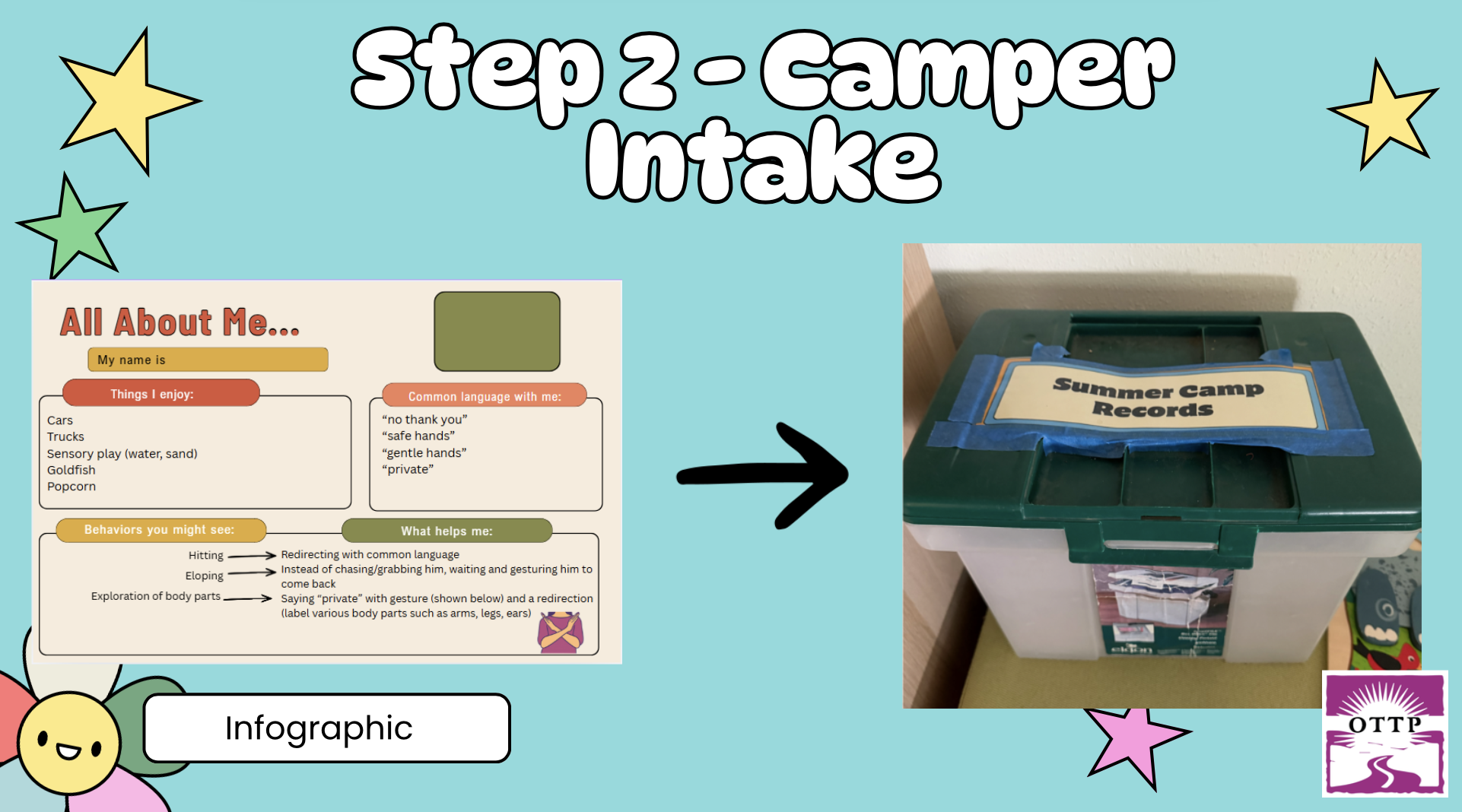
Pamela created a Youth Summer Camp Guide, based on the summer camp OTTP held at our Oakland office. She developed a flyer to share with community partners and caregivers, along with a camper intake form, volunteer sign-up sheet, daily schedule, and activity plan, all of which led up to running a successful summer camp.
Pamela Avalos, OT Intern

Interest Card Sort

Katrina Pho

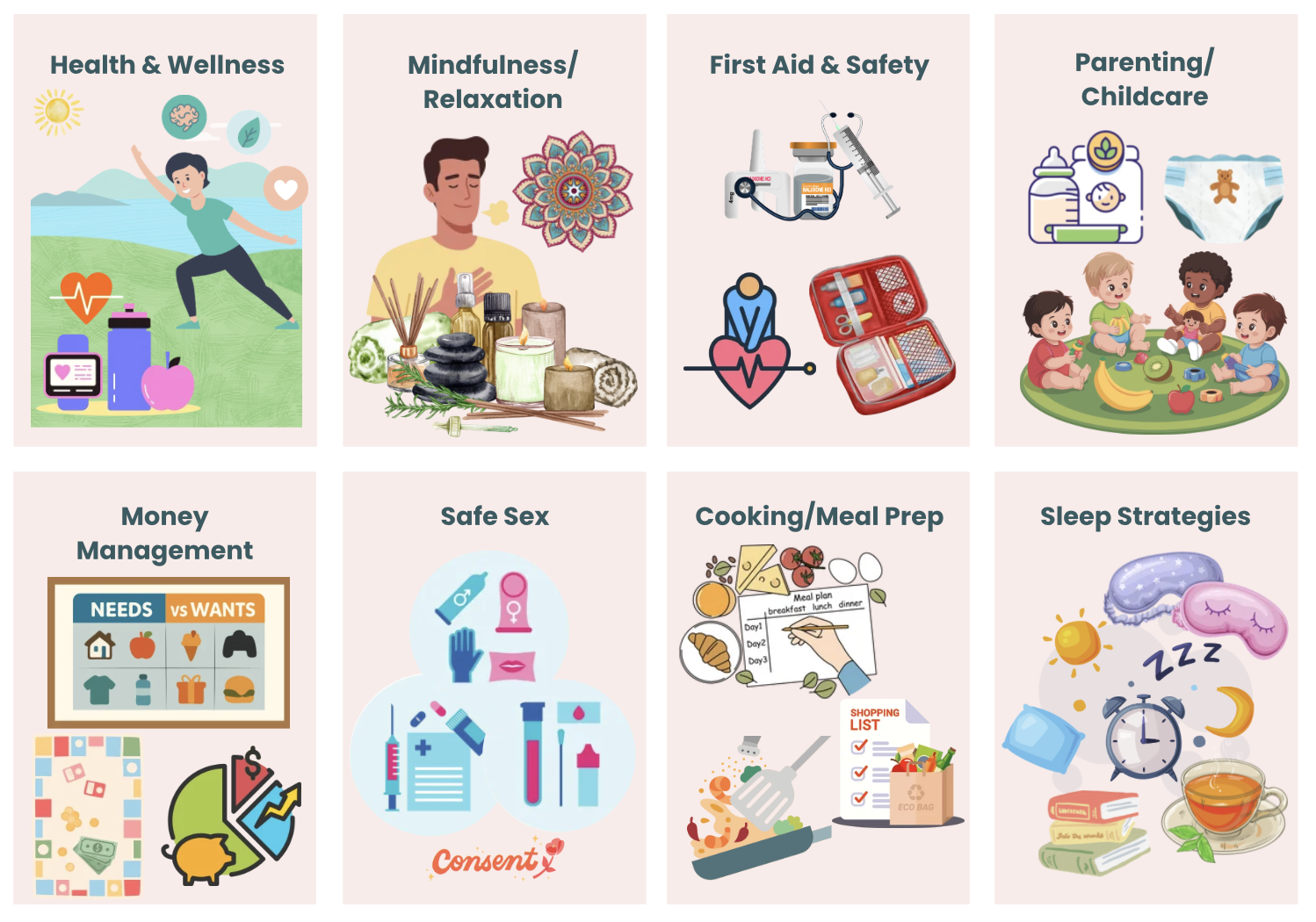
Katrina's final project was the creation of the Interest Card Sort, which adapted the "What Are You Interested In" worksheet into physical cards with images. The Interest Card Sort is a tool OTs can use to assess a client's interests: the visual depictions of each topic improve comprehension, the physical manipulation of the cards promotes active engagement and learning, and the diverse representation in the images increases engagement and belonging.

Katrina Pho, OT Intern

Each project reflects not just an academic requirement, but a real contribution: from tools that support caregivers and school staff, to guides and frameworks OTTP's own clinicians can continue using long after the interns have moved on.

Thank you to our 2026 sponsors