
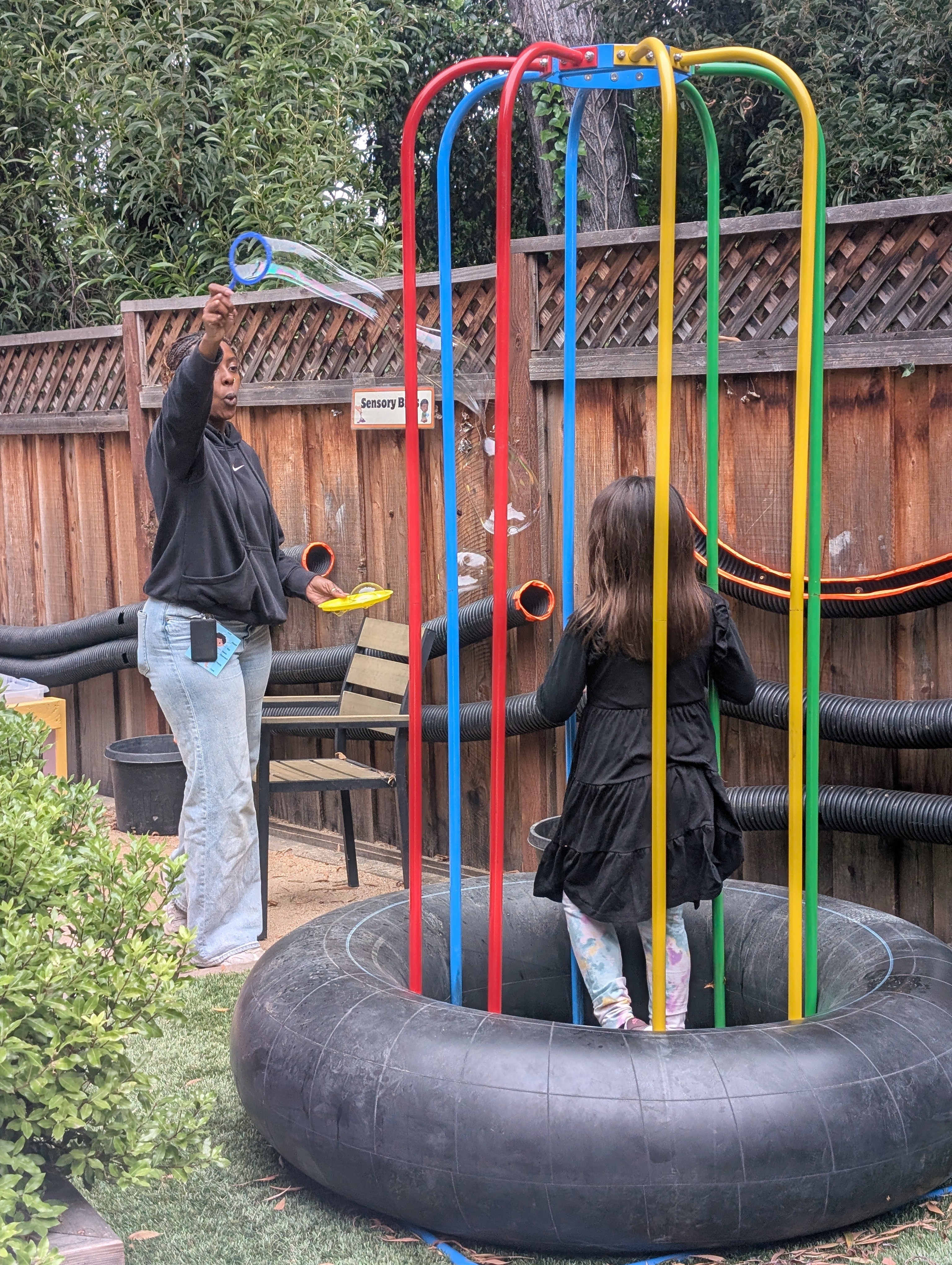
.jpg)

Our services meet young people at whatever point they need us, from the very first sign something's hard, all the way through their transition into adulthood.
Identifying challenges early and stepping in before small struggles become bigger ones.
Meeting youth right where they already are, in the classrooms and hallways of their everyday lives.
Personalized, one-on-one care that involves the people closest to a young person's world.
Building skills, confidence, and connection alongside peers who understand.
Helping older youth explore career paths and build the skills to pursue them.
Hands-on help finding, landing, and succeeding in a job that fits each youth's personal interests.
Coordinating every piece of a young person's care, not just at OTTP, and advocating for them across schools, courts, and healthcare systems.
Staying connected after formal services end, so progress keeps going.
At OTTP-NorCal, occupational therapists, who specialize in mental health, use meaningful, personalized activities to help youth build the skills they need to navigate everyday life and achieve their goals. OTR/L, OT/L, OTD.
Psychotherapy is a general term for the treatment of a client's mental health challenges by working with a licensed Clinical Social Worker, Marriage & Family Therapist, or other mental health clinician. Through the use of talk therapy, a client learns about their feelings, thoughts, and behaviors, and how to better cope and respond to life's challenges. LCSW, ACSW, MSW, ASW, AMFT, LMFT.
Social workers connect young people and their families to the practical support they need, from housing and healthcare to counseling. As part of this, they also provide case management, coordinating all the services a young person may be receiving, not just from OTTP, and advocating on their behalf within schools, courts, and healthcare systems.
At our organization, medication management is provided by licensed Psychiatric Mental Health Nurse Practitioners. They evaluate, prescribe, and monitor psychiatric medication as part of a young person's care, working closely with the rest of their treatment team to make sure medication support fits into their broader plan for healing and growth. RN, ANP-BC, PMHNP-BC.
Our clinicians work directly with children, youth, and young adults, but healing is most powerful when it extends beyond the individual. Teachers, school staff, and parents are often the people a young person turns to most, so equipping those adults with the right tools matters just as much as the therapy itself.
OTTP is just one part of a child's world. Our professional development and capacity-building work is how we help strengthen the whole community around them, always growing out of a real need or an existing relationship.
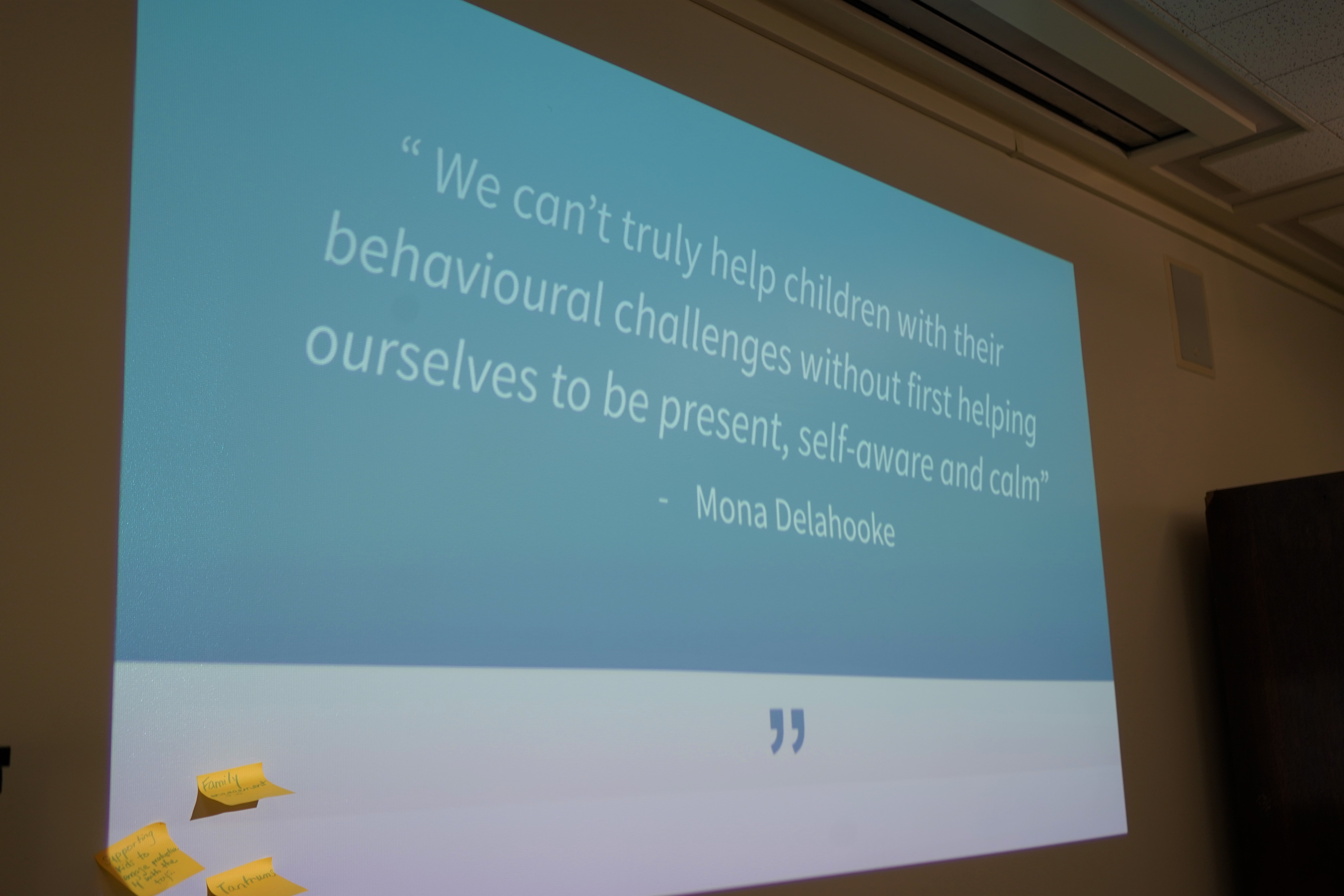
For Schools
Tailored to your specific classroom, school, or community context, so therapists can speak to the real students and real challenges staff are navigating every day.
For Parents & Caregivers
A space for caregivers to learn, ask questions, and feel supported by others who understand what it's like to parent a child through big emotions and hard moments.
For Partner Organizations
We equip staff at other nonprofits doing community mental health work with an occupational therapy perspective they may not otherwise have access to.
From "this kid is being difficult" to "this kid is communicating something their nervous system needs."
Our trainings never tell a teacher or parent what they're doing wrong. They offer a lens rooted in child development, sensory processing, and emotional regulation, so a "disruptive" behavior becomes something an adult can support rather than just manage.
To read more about the programs we provide these services at, explore our programs page.
Explore Our Programs →If you are experiencing a medical or psychiatric emergency, please call 911 or go to your nearest emergency room.
Si está experimentando una emergencia médica o psiquíatrica, por favor llame al 911 o váyase a la sala de emergencias más cercana.
Youth are referred to OTTP-NorCal through their schools, the Department of Public Health Behavioral Health Services, community partners, and social workers.
If you're looking for immediate assistance or support, visit our Resources page.
If you're looking for mental health diagnoses procedures, call the Behavioral Health Access Line/Office of Coordinated Care: 888-246-3333